

If you’ve always wanted to harvest fresh fruit from your own home but don’t have a backyard, berry plants might be the perfect place to start. Many Indian berry plants that produce nutritious Indian berry fruit adapt surprisingly well to container gardening and can thrive on balconies, terraces, and even bright indoor corners.
The key is choosing the right varieties. While some berry-producing trees can grow quite large in the wild, many can be maintained in pots through regular pruning and proper care.
From compact strawberries to traditional Indian favourites like karonda and jamun, you’ll find several interesting types of berries in India that adapt well to container growing.
Can I Grow Berries Indoors?
Yes, you can grow berries indoors, but there’s a small catch. While many berry plants can survive inside your home, fruit production depends heavily on sunlight. A plant tucked away in a dim corner may stay alive, but it is unlikely to produce a meaningful harvest.
The good news is that several of the different types of berries in India perform well in containers and can thrive in bright indoor locations, balconies, patios, and terraces. If you’re wondering, “Can I grow berries indoors?”, start with beginner-friendly options such as strawberry, rasbhari, karonda, phalsa, and dwarf mulberry. These varieties are among the most practical indoor fruit plants for Indian homes and adapt well to container growing.
Berry Season in India: When Do Berry Plants Produce Fruit?
One of the most enjoyable parts of growing berries is watching the fruit develop and ripen through the seasons. However, berry season varies depending on the plant and your local climate.
Summer is the peak fruiting season for many Indian berry fruit varieties such as jamun, phalsa, and mulberry. Karonda often fruits during late spring and continues into the monsoon months. Ber is usually harvested during winter, while strawberries are commonly grown as cool-season plants in many parts of India.
Climate also plays an important role. Gardeners in tropical and coastal regions may enjoy longer growing seasons, while those in cooler northern areas often see more defined fruiting periods. Understanding berry season helps you choose plants that fit your local conditions and harvest expectations.
10 Indian Berry Plants That Grow Well in Pots
When exploring the different types of berries in India, it’s important to focus on varieties that adapt well to pots and limited spaces. Some berries naturally grow as compact shrubs, while others can be controlled through pruning and container culture.
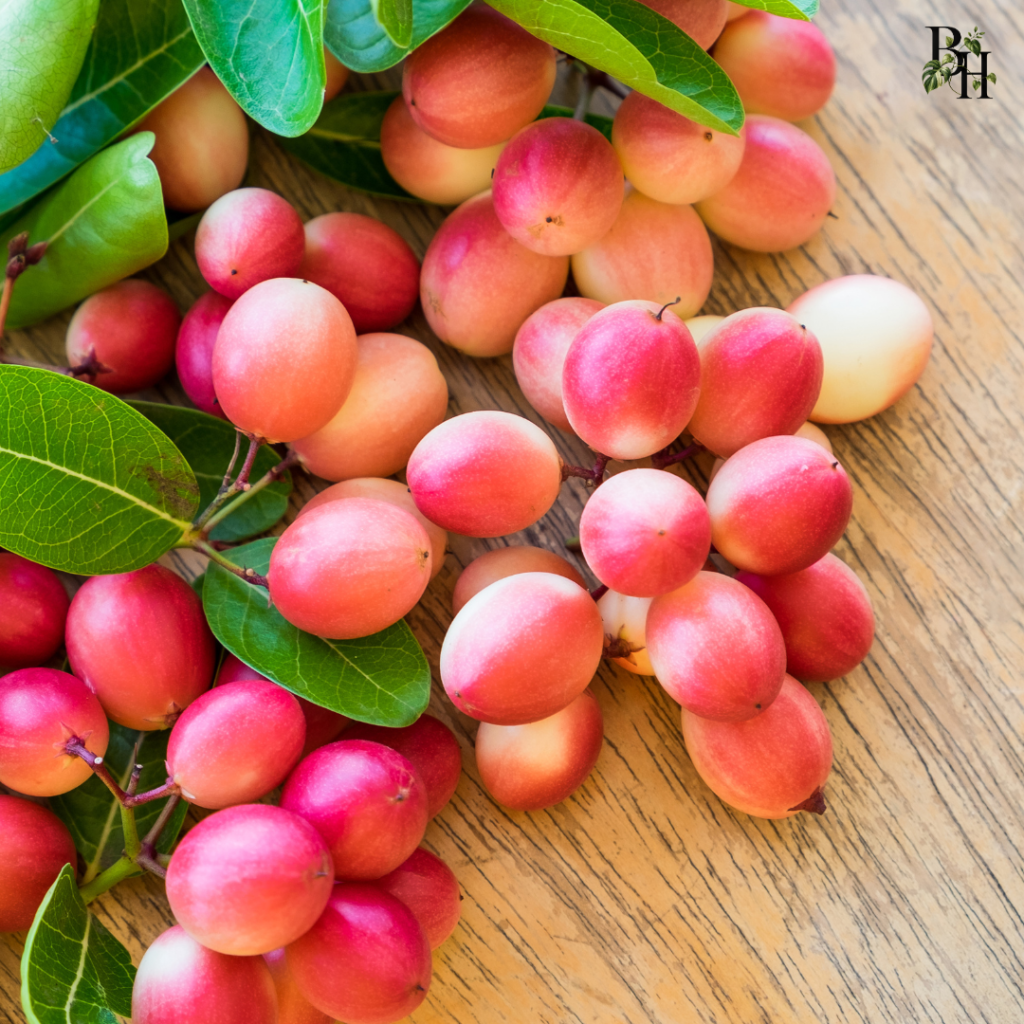
Karonda (Carissa carandas)
Karonda is one of the toughest and most rewarding Indian berry plants for container gardening. This evergreen shrub is naturally compact, highly productive, and tolerant of heat and drought, making it an excellent choice for Indian homes.
- Pot Size: 16-20 inch pot with drainage holes
- Best Placement: Sunny balcony, terrace, or patio
- Sunlight Requirement: 6-8 hours of direct sunlight daily
- Soil Requirement: Well-draining soil enriched with compost
- Watering Guide: Water when the top inch of soil feels dry
- Fertilizer Requirement: Organic compost or balanced fertilizer every 6-8 weeks during the growing season
- Fruiting Season: Late spring to monsoon
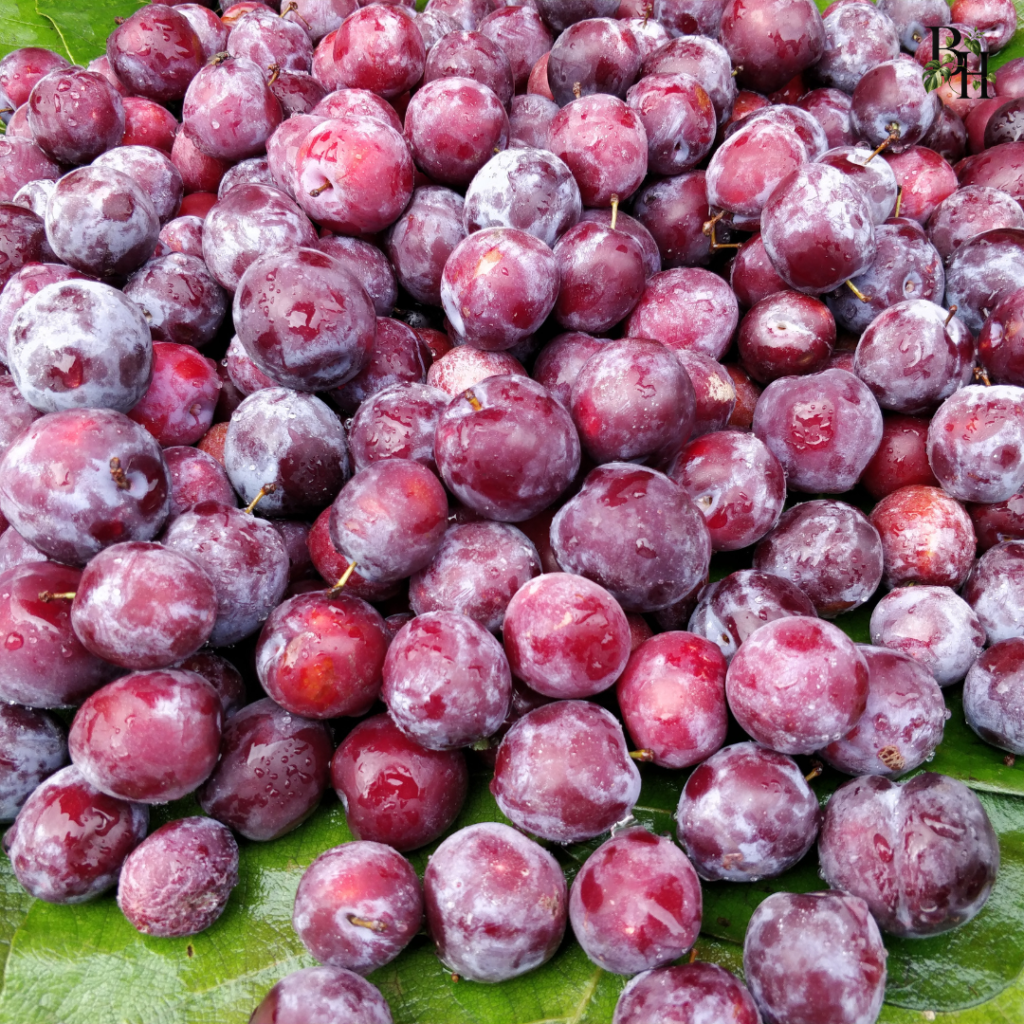
Phalsa (Grewia asiatica)
Phalsa produces clusters of small berries that are prized for their refreshing sweet-tart flavour. It responds well to pruning and can be maintained as a manageable shrub in large containers.
- Pot Size: 18-24 inch pot
- Best Placement: Full-sun balcony or terrace
- Sunlight Requirement: At least 6 hours of direct sunlight
- Soil Requirement: Fertile, well-draining loamy soil
- Watering Guide: Keep soil evenly moist during active growth
- Fertilizer Requirement: Compost and phosphorus-rich fertilizer before flowering
- Fruiting Season: Summer
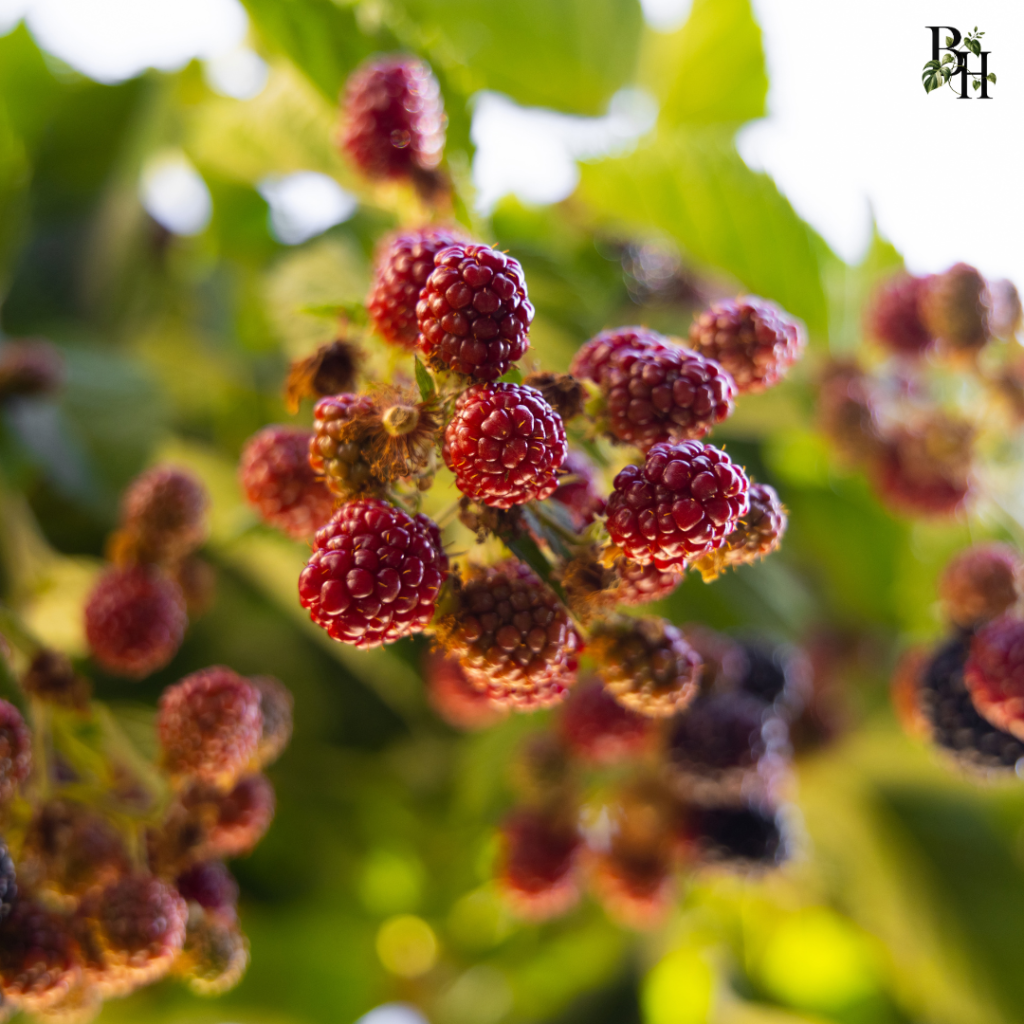
Mulberry (Shahtoot)
If you enjoy sweet berries straight from the plant, mulberry is worth considering. Dwarf and grafted varieties are particularly suitable for containers and can produce impressive harvests even in limited spaces.
- Pot Size: Minimum 20-24 inch container
- Best Placement: Sunny terrace or large balcony
- Sunlight Requirement: 6-8 hours of direct sunlight
- Soil Requirement: Rich, well-draining soil with organic matter
- Watering Guide: Water deeply when the top layer of soil dries out
- Fertilizer Requirement: Compost plus balanced fertilizer during spring and summer
- Fruiting Season: Spring to early summer
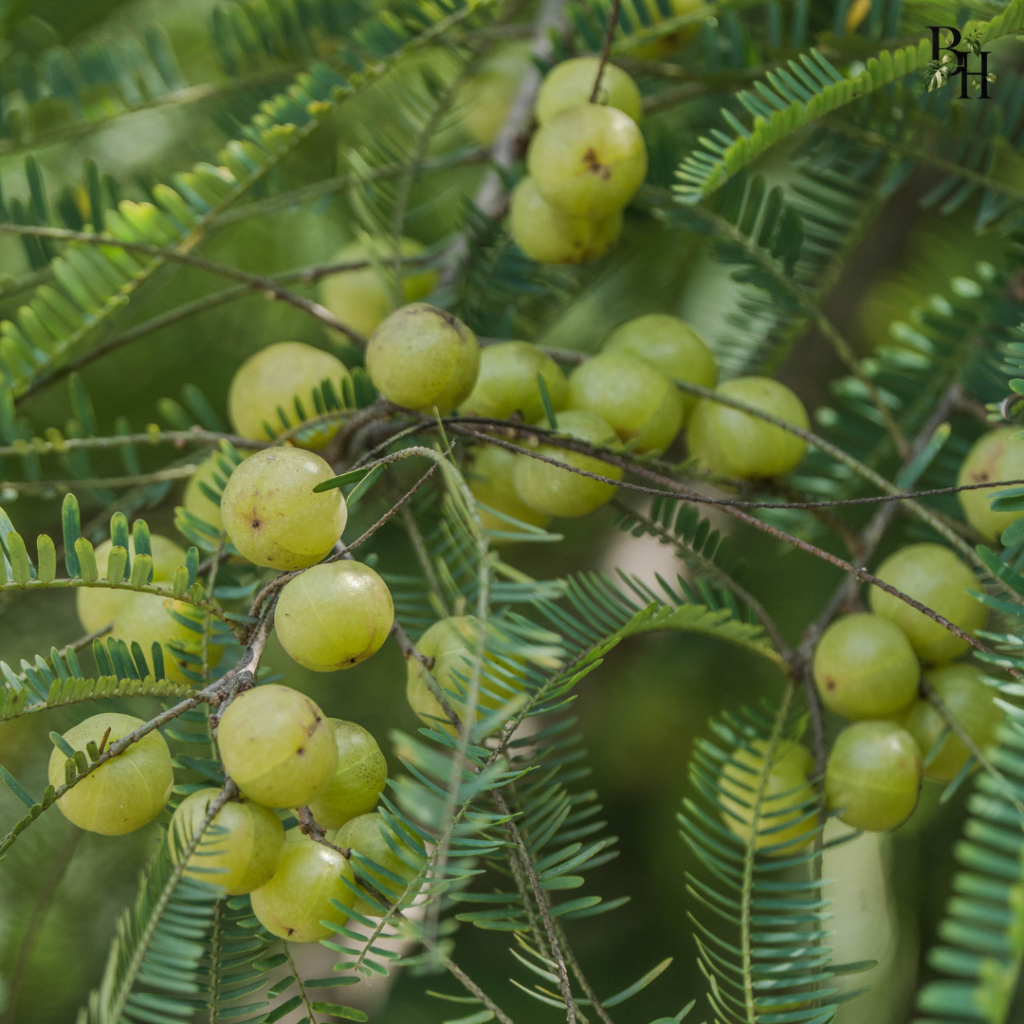
Amla (Indian Gooseberry)
Amla is often celebrated for its nutritional value, but it also makes an attractive container plant. With regular pruning and a sufficiently large pot, this Indian berry plant can adapt surprisingly well to home gardens.
- Pot Size: 24-inch container or larger
- Best Placement: Sunny terrace or open balcony
- Sunlight Requirement: Full sun for best fruit production
- Soil Requirement: Well-draining sandy loam with compost
- Watering Guide: Moderate watering; avoid waterlogged soil
- Fertilizer Requirement: Organic manure twice a year along with balanced fertilizer
- Fruiting Season: Autumn to winter
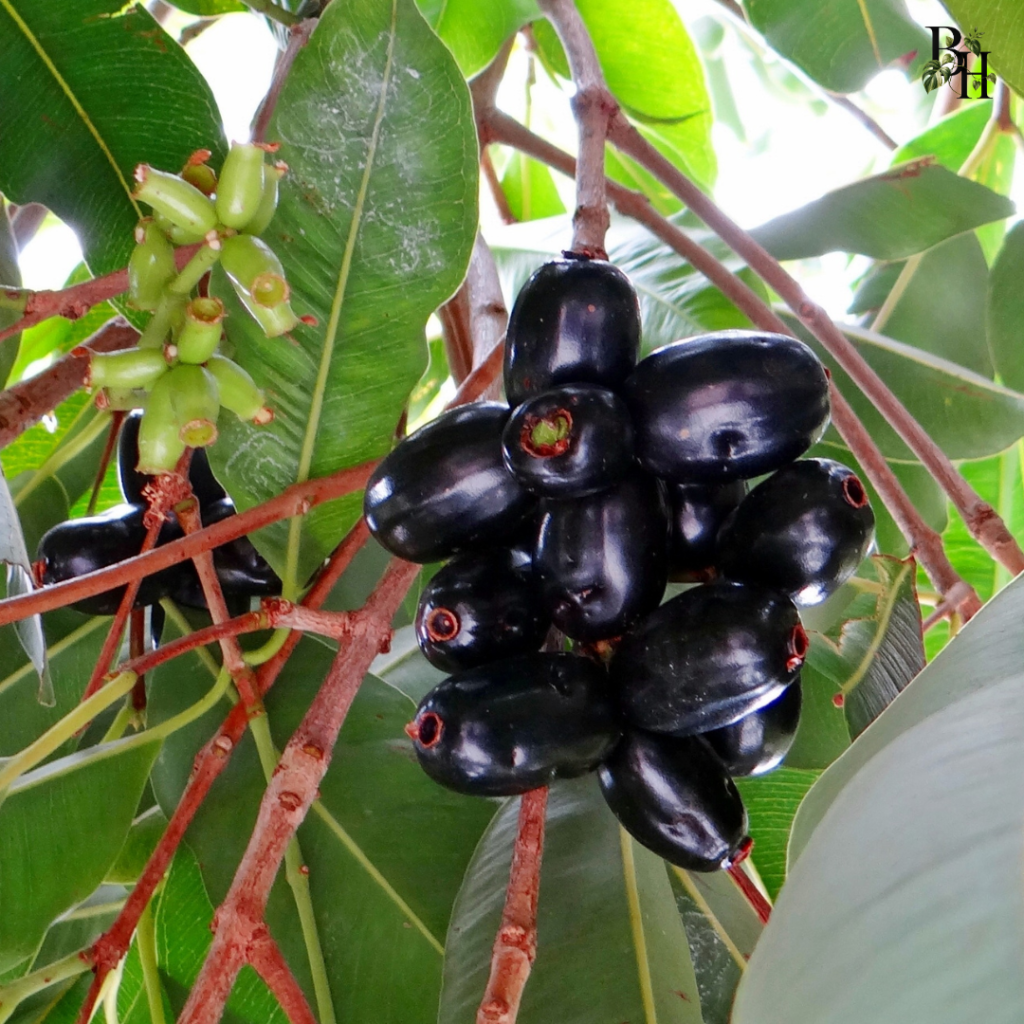
Jamun (Dwarf or Grafted Variety)
Jamun is often associated with large trees, but grafted and dwarf varieties can be successfully grown in containers. Given enough sunlight and occasional pruning, they become productive additions to urban gardens.
- Pot Size: 24-inch container minimum
- Best Placement: Terrace, rooftop garden, or spacious balcony
- Sunlight Requirement: 6-8 hours of direct sunlight
- Soil Requirement: Well-draining loamy soil rich in organic matter
- Watering Guide: Keep soil consistently moist but never soggy
- Fertilizer Requirement: Organic compost every two months during active growth
- Fruiting Season: Late spring to summer
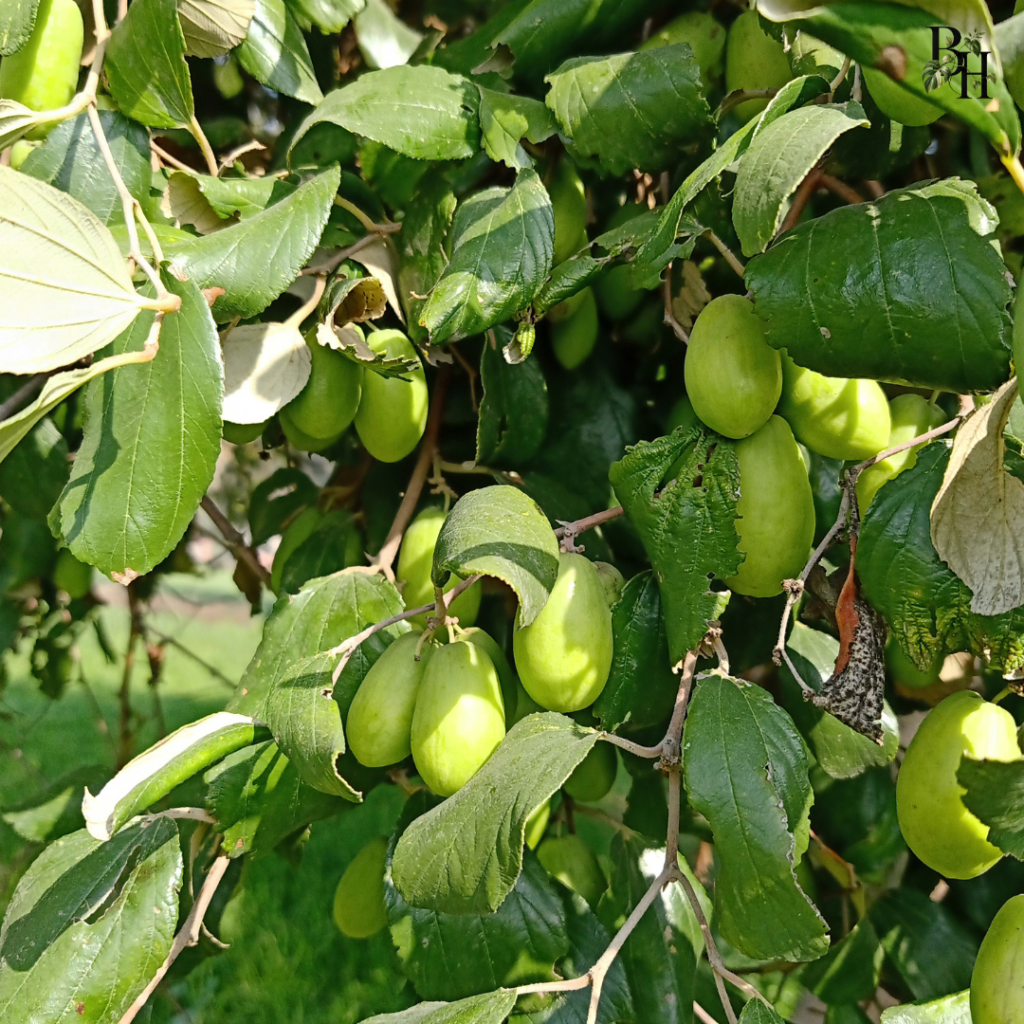
Ber (Indian Jujube)
Ber is one of the easiest fruiting plants to grow in warm Indian climates. It is hardy, productive, and surprisingly adaptable to container gardening when given adequate sunlight and occasional pruning.
- Pot Size: 20-24 inch container
- Best Placement: Sunny balcony, terrace, or rooftop garden
- Sunlight Requirement: 6-8 hours of direct sunlight
- Soil Requirement: Well-draining sandy or loamy soil
- Watering Guide: Water moderately and allow the top layer of soil to dry slightly between watering
- Fertilizer Requirement: Organic compost every 6-8 weeks during the growing season
- Fruiting Season: Winter
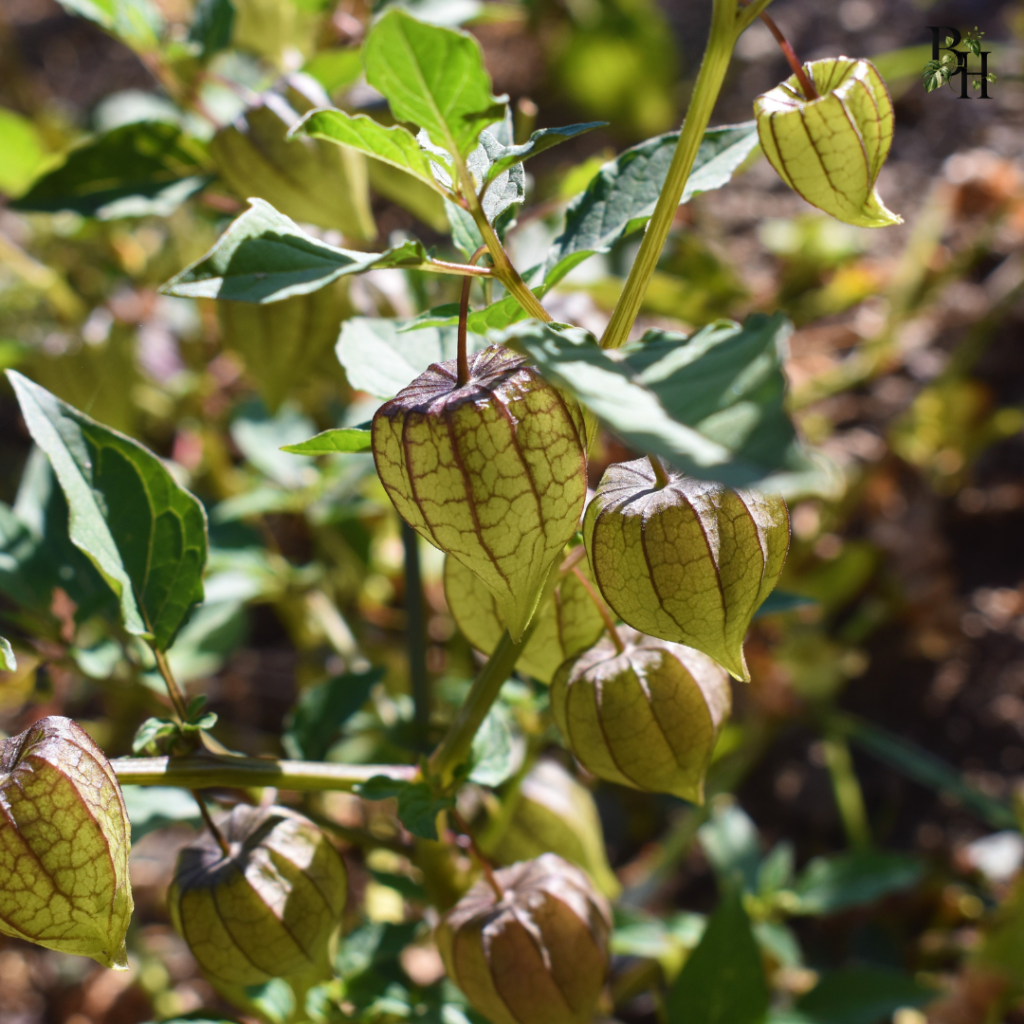
Rasbhari (Cape Gooseberry)
Rasbhari is often recommended to beginner gardeners because it grows quickly, fruits generously, and doesn’t demand much attention. Its lantern-like husks make it one of the most attractive edible berry plants you can grow at home.
- Pot Size: 12-16 inch container
- Best Placement: Sunny window, balcony, or terrace
- Sunlight Requirement: 5-6 hours of direct sunlight
- Soil Requirement: Loose, fertile, well-draining soil
- Watering Guide: Keep soil lightly moist but never waterlogged
- Fertilizer Requirement: Compost every month during active growth
- Fruiting Season: Winter to spring
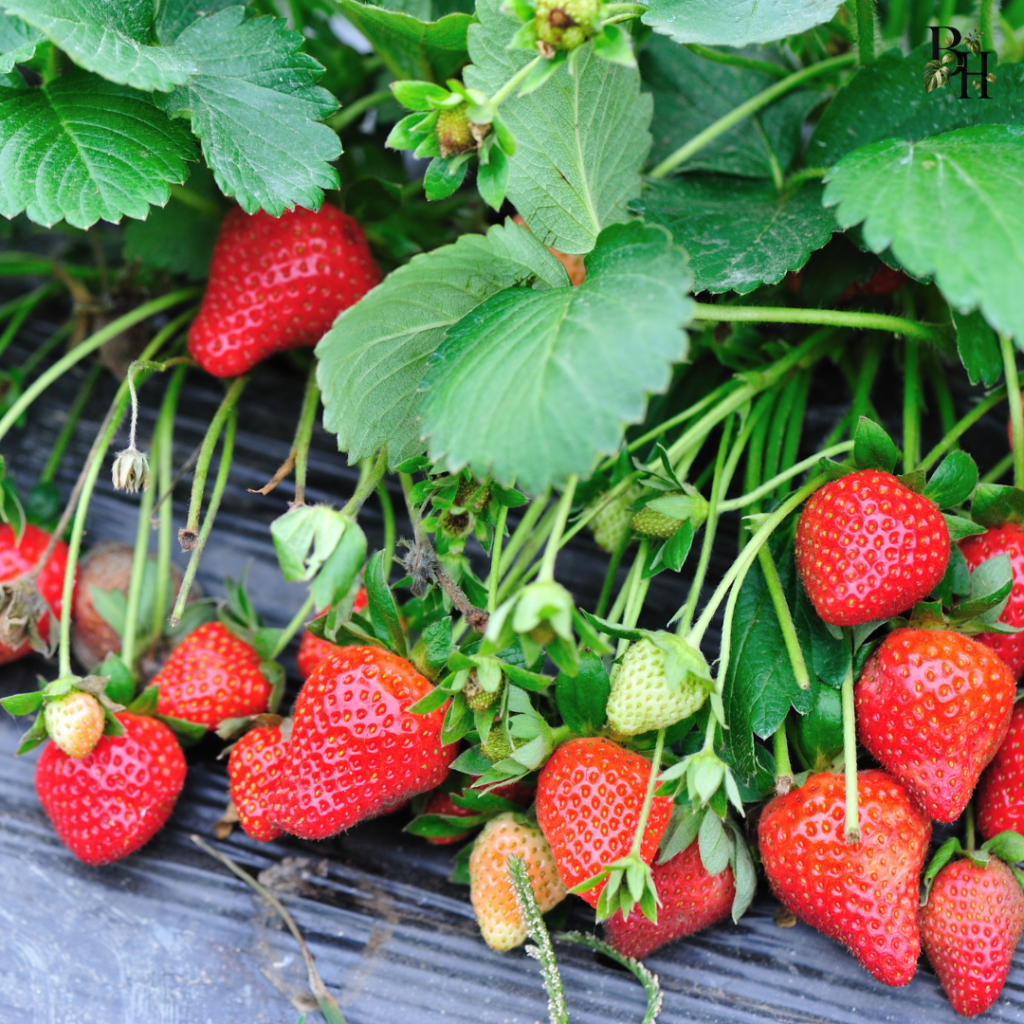
Strawberry
Strawberries may not be native to India, but they remain one of the most popular berry plants in India for container gardening. Their compact size makes them ideal for apartments, balconies, and even sunny indoor shelves.
- Pot Size: 8-12 inch pot or hanging basket
- Best Placement: Bright balcony, terrace, or sunny windowsill
- Sunlight Requirement: 6-8 hours of sunlight daily
- Soil Requirement: Rich, well-draining soil with plenty of organic matter
- Watering Guide: Keep soil consistently moist without making it soggy
- Fertilizer Requirement: Balanced fertilizer every 3-4 weeks during flowering and fruiting
- Fruiting Season: Winter to early spring in most parts of India
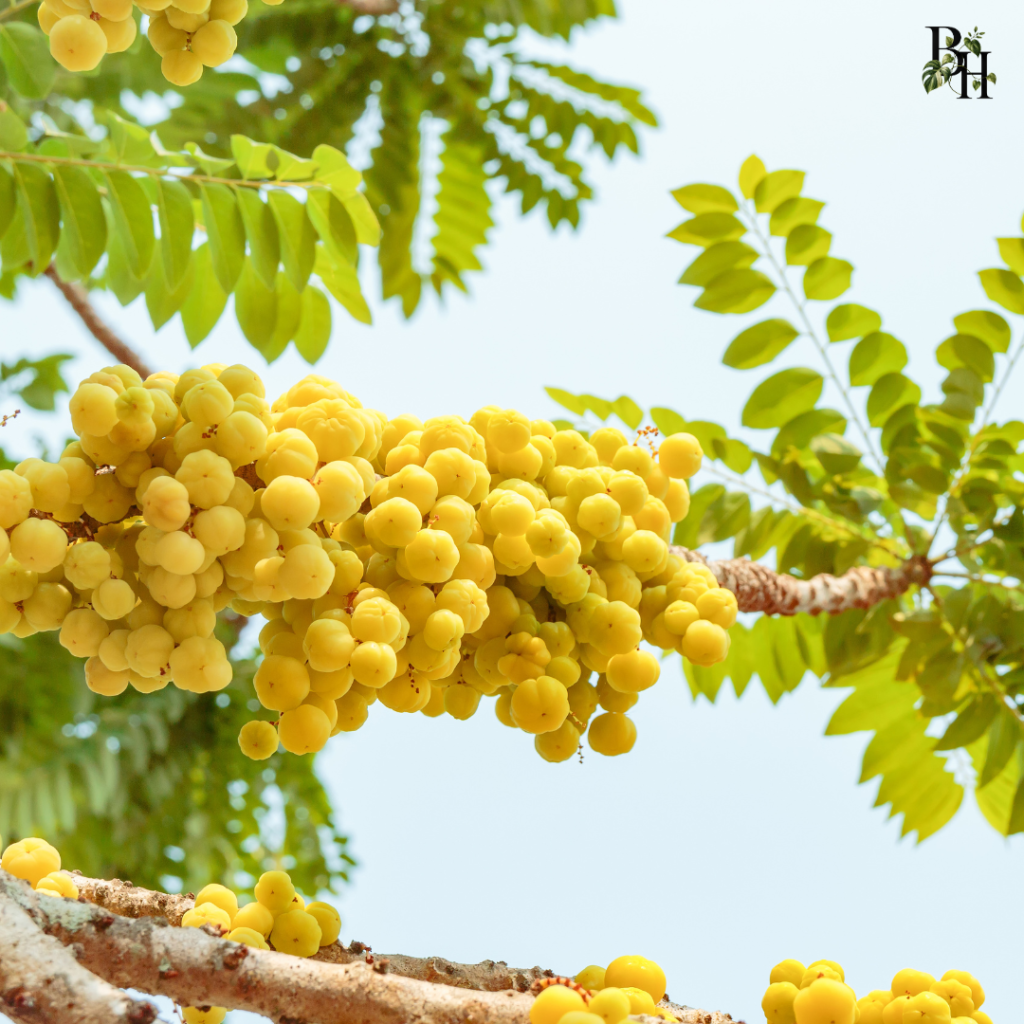
Star Gooseberry (Harfarauri)
Known for its small, tangy fruits, star gooseberry is a lesser-known option that performs well in containers when regularly pruned. It is both ornamental and productive, making it a great addition to compact gardens.
- Pot Size: 18-24 inch container
- Best Placement: Sunny balcony or terrace
- Sunlight Requirement: Full sun to partial sun
- Soil Requirement: Well-draining fertile soil
- Watering Guide: Water regularly, especially during hot weather
- Fertilizer Requirement: Organic compost every two months
- Fruiting Season: Summer to monsoon
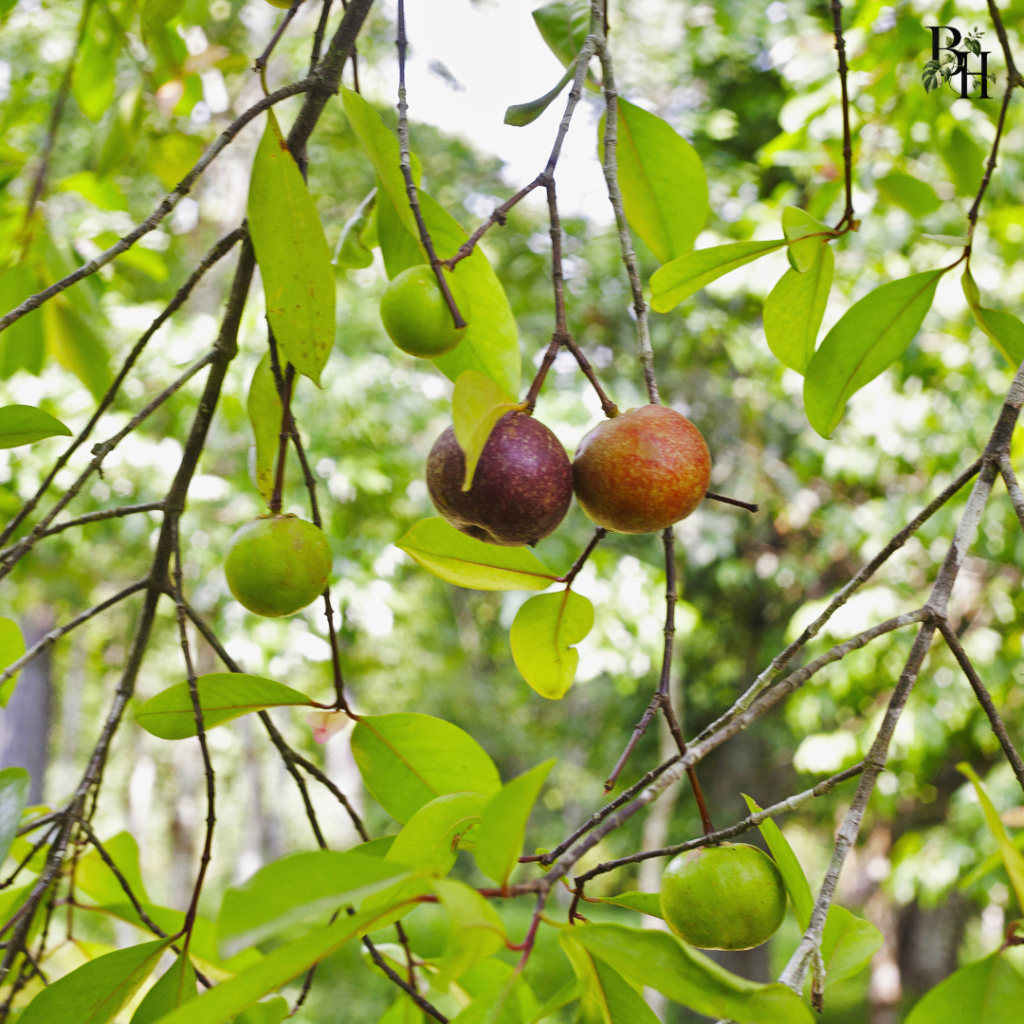
Kokum (Garcinia indica)
Kokum is best suited to humid and tropical regions, but young plants can be grown successfully in large containers. Although it requires patience, the fruits are highly valued in Indian kitchens and traditional recipes.
- Pot Size: 24-inch container or larger
- Best Placement: Bright terrace or protected outdoor space
- Sunlight Requirement: Partial to full sunlight
- Soil Requirement: Slightly acidic, well-draining soil rich in organic matter
- Watering Guide: Maintain consistent moisture without overwatering
- Fertilizer Requirement: Organic compost and slow-release fertilizer during the growing season
- Fruiting Season: Summer
How to Plant Berries in Pots at Home
Whether you choose strawberry, karonda, jamun, or any other plant from this list, the planting process is largely the same. Follow these steps to give your berry plants the best possible start.
Step 1: Choose a Healthy Plant or Sapling
For most berry varieties, buying a healthy nursery-grown plant is easier and faster than starting from seed. Look for plants with green leaves, sturdy stems, and no signs of pests or disease.
If you’re a beginner, rasbhari, strawberry, and karonda are among the easiest berry plants in India to start with.
Step 2: Select the Right Pot
Choose a container based on the mature size of your plant. Small berries such as strawberries can thrive in pots as small as 8-12 inches, while larger plants like jamun and amla need containers that are at least 20-24 inches wide.
Always use pots with drainage holes. Without proper drainage, excess water can damage roots and slow growth.
Step 3: Prepare a Well-Draining Potting Mix
Most berry plants prefer fertile soil that drains well while retaining enough moisture for healthy root growth.
A simple mix works well for most varieties:
- 40% garden soil
- 40% compost or well-rotted organic manure
- 20% sand or cocopeat for drainage
Mix everything thoroughly before filling the container.
Step 4: Plant the Berry at the Correct Depth
Fill the pot about three-quarters full with the prepared soil mix.
Place the plant in the centre and ensure the root ball sits at the same depth it was growing in its nursery container. Avoid planting too deep, as this can increase the risk of stem rot.
Gently fill the remaining space with soil and lightly press it around the roots.
Step 5: Water Thoroughly After Planting
Immediately after planting, water deeply until excess water drains from the bottom of the pot.
This helps settle the soil around the roots and removes air pockets. For the first few weeks, keep the soil evenly moist while the plant establishes itself.
Step 6: Move the Pot to a Sunny Location
Most indoor fruit plants produce the best harvests when they receive 4-8 hours of direct sunlight daily.
Place your pot in:
- A sunny balcony
- A terrace garden
- A rooftop growing space
- Near a bright south-facing window
The more sunlight your berry plant receives, the better its chances of flowering and fruiting.
Step 7: Feed the Plant During the Growing Season
Wait about 3-4 weeks after planting before applying fertilizer.
Once the plant begins active growth, feed it regularly using:
- Organic compost
- Vermicompost
- Well-rotted manure
- Balanced fruit-plant fertilizer
Most berry plants benefit from feeding every 4-8 weeks during the growing season.
Step 8: Prune and Monitor Regularly
Remove dead, damaged, or overcrowded growth whenever necessary. Regular pruning improves airflow, keeps the plant compact, and encourages better fruit production.
Also check leaves and stems every week for common pests such as aphids, mealybugs, and spider mites. Catching problems early is much easier than treating a heavily infested plant later.
Common Mistakes to Avoid When Growing Berry Plants Indoors
Even experienced gardeners make mistakes when growing fruiting plants in containers. Avoiding a few common issues can make a huge difference in plant health and harvest quality.
- Insufficient sunlight: Most fruiting plants need direct sunlight to produce flowers and berries. Too little light often results in weak growth and poor yields.
- Overwatering: Constantly wet soil can lead to root rot and fungal diseases. Always check soil moisture before watering.
- Using pots that are too small: Crowded roots restrict growth and reduce fruit production over time.
- Poor drainage: Containers without proper drainage holes can quickly create unhealthy growing conditions.
- Excess nitrogen fertilizer: Too much nitrogen encourages leafy growth at the expense of flowers and fruit.
- Skipping pruning: Many Indian berry plants benefit from occasional pruning to maintain shape, improve airflow, and encourage better fruiting.
Conclusion: Create Your Own Indoor Berry Garden
If you’re new to gardening, start with beginner-friendly options such as strawberry, rasbhari, or karonda. As your confidence grows, you can experiment with larger varieties like jamun, amla, and mulberry. The key is matching the plant to your available space and providing enough sunlight, proper drainage, and regular care.
Whether you’re interested in growing fresh snacks for your family or simply want to explore more edible berry plants, these container-friendly options prove that an Indian berry plant can fit into almost any home garden. With the right setup, you’ll soon have your own collection of colourful, productive, and delicious berries growing just a few steps away.
FAQs
Can We Grow Berries at Home in India?
Yes, many berries can be grown successfully at home in India, especially in pots and containers. Varieties such as strawberry, rasbhari, karonda, phalsa, and dwarf mulberry adapt well to balconies, terraces, and sunny windows. The key is providing enough sunlight, well-draining soil, and regular watering. Even gardeners with limited space can enjoy fresh berries with the right plant selection and care.
What Kind of Berries Grow in India?
India is home to several berry-producing plants, including jamun, karonda, phalsa, amla, ber, star gooseberry, and kokum. In addition, strawberries and cape gooseberries are widely cultivated across many regions. These berries vary in flavour, size, and growing requirements, making it possible for gardeners to choose varieties suited to their climate, available space, and gardening experience.
What Berries Can I Grow in a Container?
Many berry plants grow well in containers when provided with sufficient sunlight and proper care. Good options include strawberry, rasbhari (cape gooseberry), karonda, phalsa, dwarf mulberry, ber, and grafted jamun. Smaller plants like strawberries and rasbhari are ideal for compact balconies, while larger varieties such as amla and jamun require bigger pots and occasional pruning to remain manageable.
Which Is the Easiest Berry to Grow?
Strawberry and rasbhari are generally considered the easiest berries for beginners. Both grow quickly, adapt well to containers, and start producing fruit relatively early compared to larger berry-producing plants. Karonda is another beginner-friendly choice because it is hardy, drought-tolerant, and less demanding than many fruit crops. These plants require basic care and are well suited to Indian growing conditions.
How Long Do Berries Take to Grow?
The time required depends on the berry variety. Strawberries can begin producing fruit within 3 to 5 months of planting, while rasbhari often fruits within a single growing season. Larger plants such as jamun, amla, and mulberry usually take 2 to 4 years to produce significant harvests, especially when grown in containers. Grafted plants typically fruit earlier than seed-grown plants.
Do Berries Need a Lot of Sun to Grow?
Most berry plants need at least 4 to 8 hours of direct sunlight daily for healthy growth and fruit production. While some varieties can tolerate partial shade, insufficient sunlight often results in fewer flowers and lower yields. Sunny balconies, terraces, and south-facing windows usually provide the best conditions. Adequate sunlight is one of the most important factors for growing berries successfully at home.
What Month Do Berries Grow?
Berry season varies by plant and region. Mulberry, phalsa, and jamun typically fruit during spring and summer, while karonda often produces fruit from late spring into the monsoon season. Strawberries are generally harvested during winter and early spring in India. Ber is commonly harvested in winter. Local climate conditions can influence flowering and fruiting times from one region to another.