
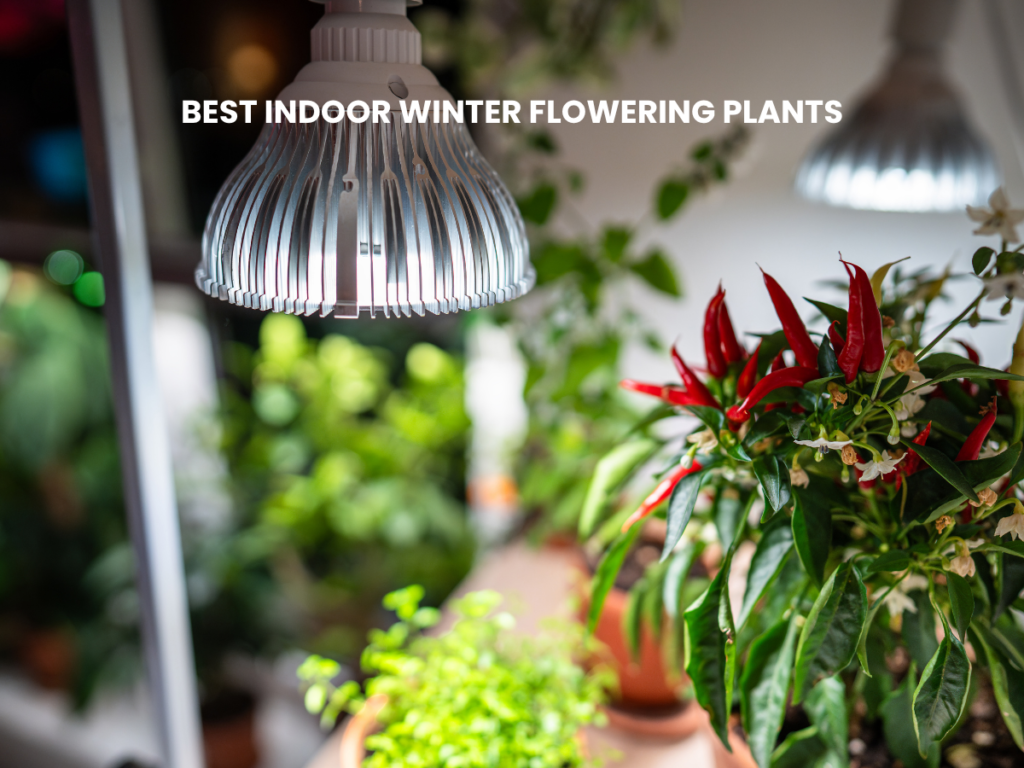
If your home gets a bright window or a few hours of gentle sun, winter is actually one of the easiest seasons to enjoy blooms in India. The air is cooler, plants stay less stressed, and many winter flowering plants put on their best show in pots.
This guide covers 20 winter flowering plants in India you can grow indoors, with practical care you can follow right away. Many of these are cool-season annuals (perfect for sunny windows and balconies), along with a few classic indoor winter bloomers that feel made for Indian winters.
What Are Winter Flowering Plants?
Winter flowering plants are plants that bloom best in cool, mild conditions. In most Indian cities, that sweet spot arrives from late autumn and peaks through winter. Many popular winter season flowers are grown in containers, so you can easily keep them indoors near bright light.
Can Flowers Still Grow in Winter?
Yes, flowers can absolutely grow in winter. In fact, many flowers that grow in winter bloom more reliably because heat stress is low. Indoors, your success mostly depends on two things:
- Light (a bright window or balcony-facing spot)
- Watering discipline (moist, not soggy)
20 Winter Flowering Plants in India You Can Grow Indoors
A quick reality check: these are indoor-friendly in India when you place them where they get enough light and airflow. If your home is low-light, add a simple grow light for a few hours daily.
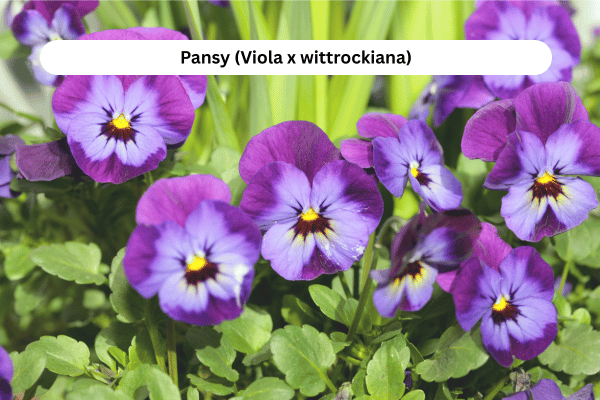
1) Pansy (Viola x wittrockiana)
Pansies are compact, cheerful bloomers that love cool weather. Their flowers stay crisp in winter, and they look beautiful on windowsills or near balcony doors.
Care requirements
- Sunlight: Full sun to partial shade, aim for 4 to 6 hours of direct sun for best blooms
- Water: Keep soil moist but well-drained; water when the top 2 to 3 cm feels dry
- Soil: Humus-rich, well-draining potting mix
- Feeding: Light liquid feed every 2 to 3 weeks while blooming
- Simple tip: Deadhead faded flowers to push new buds
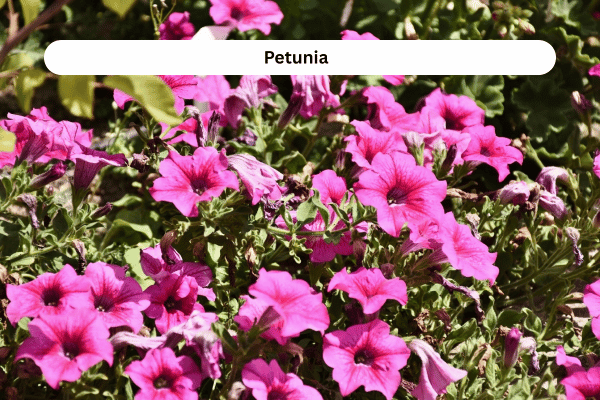
2) Petunia
Petunias give fast color and a lush, overflowing look in pots. Winter’s mild sun helps them flower longer and look fuller.
Care requirements
- Sunlight: At least 6 hours of direct sun for best flowering
- Water: Do not let compost fully dry; water when top layer begins to dry
- Soil: Light, fertile, well-drained mix
- Feeding: Weekly light feeding supports continuous flowering
- Simple tip: Regular deadheading keeps blooms coming
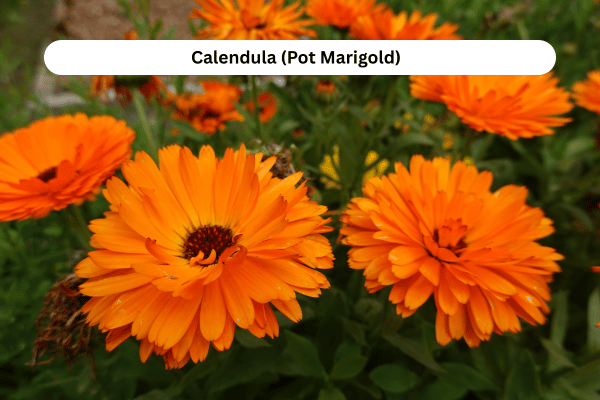
3) Calendula (Pot Marigold)
Calendula feels like bottled sunshine. It’s a classic cool-season bloomer and one of the easiest winter flowers to grow in pots.
Care requirements
- Sunlight: Full sun (stronger sun equals better flowering)
- Water: Routine watering, avoid overwatering; keep evenly moist, not wet
- Soil: Any well-drained potting mix, compost helps
- Feeding: Every 3 to 4 weeks is enough
- Simple tip: Pick flowers often to encourage repeat blooms
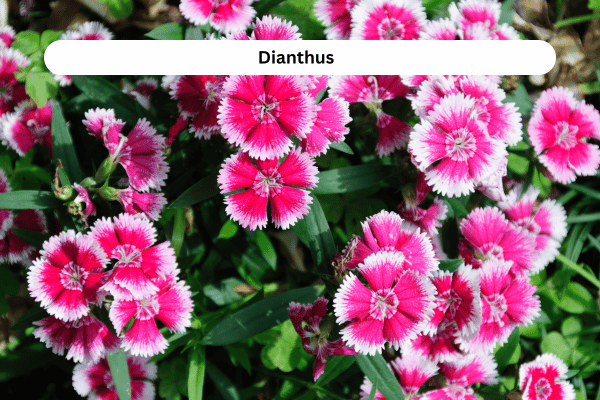
4) Dianthus
Dianthus is loved for its neat growth and sweet fragrance. In winter, it stays fresh-looking and blooms generously in containers.
Care requirements
- Sunlight: Bright light with 4 to 6 hours of sun if possible
- Water: Water when top soil dries slightly; avoid soggy pots
- Soil: Well-draining potting mix
- Feeding: Every 2 to 3 weeks during blooming
- Simple tip: Remove spent flowers to extend flowering
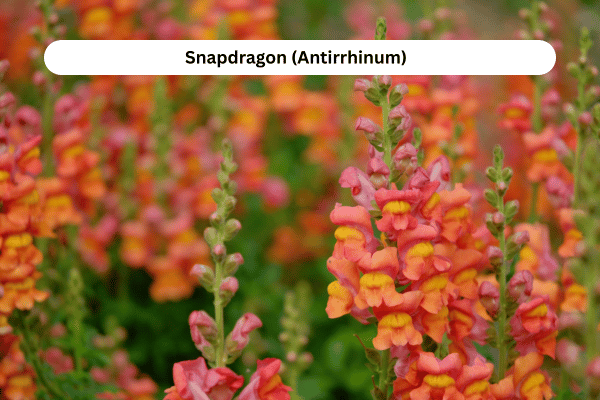
5) Snapdragon (Antirrhinum)
Snapdragons add height, color, and a “garden” feel even indoors. Winter temperatures help them stay sturdy and bloom for weeks.
Care requirements
- Sunlight: Bright light with 4 to 6 hours of sun
- Water: Keep evenly moist; do not waterlog
- Soil: Well-draining mix with compost
- Feeding: Every 2 weeks during active blooming
- Simple tip: Stake taller varieties in pots
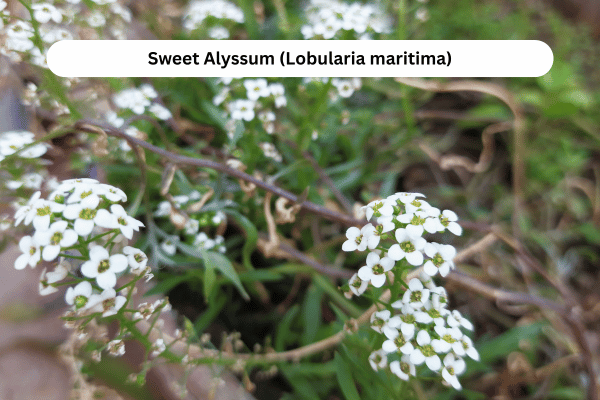
6) Sweet Alyssum (Lobularia maritima)
Sweet alyssum forms a soft cloud of tiny blooms and often smells lightly sweet. It performs best in cooler weather and looks great in window boxes.
Care requirements
- Sunlight: Full sun for best flowers; aim for 6 hours of bright sun
- Water: Even moisture in small containers; water when top soil starts drying
- Soil: Free-draining mix (it dislikes damp, heavy soil)
- Feeding: Monthly is enough
- Simple tip: A light trim after a heavy flush encourages more blooms
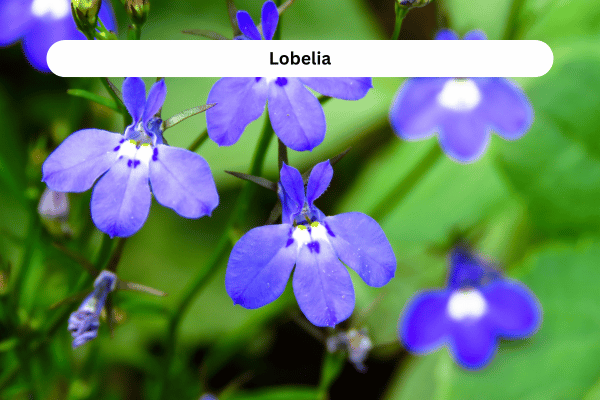
7) Lobelia
Lobelia brings that rare, striking blue tone that instantly freshens a room. It prefers cooler conditions and steady moisture, which winter naturally supports.
Care requirements
- Sunlight: Sun to partial shade; indoors do best in bright light with morning sun
- Water: Keep soil consistently moist, never bone-dry
- Soil: Fertile, moisture-retentive but well-draining mix
- Feeding: Light feeding every 2 to 3 weeks
- Simple tip: Keep it out of harsh heat and dry air
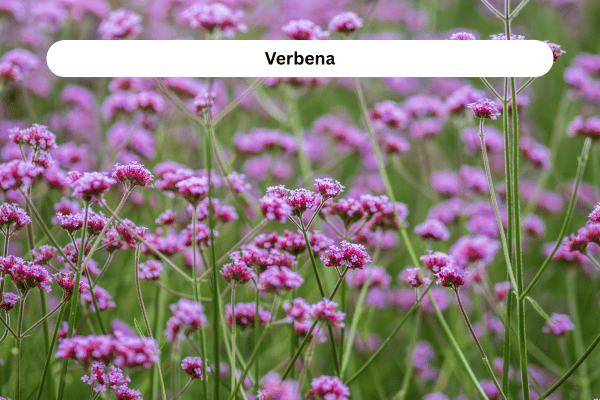
8) Verbena
Verbena flowers in clusters and looks lovely in pots you can move around for décor. With enough sun, it keeps blooming nicely.
Care requirements
- Sunlight: Full sun, aim for 6+ hours of direct sun
- Water: Water when soil starts drying; avoid constantly wet soil
- Soil: Well-draining potting mix
- Feeding: Every 2 to 3 weeks for more blooms
- Simple tip: Light trimming encourages a fresh flush
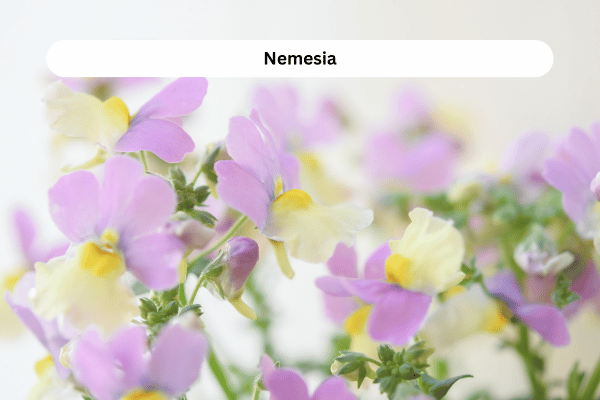
9) Nemesia
Nemesia gives small, colorful blooms that feel delicate but it’s surprisingly productive in pots. Good drainage and sun are the secret.
Care requirements
- Sunlight: Full sun for best flowering, aim for 6 hours
- Water: Water regularly, letting the top few cm dry between soakings
- Soil: Very well-draining mix; add perlite for container drainage
- Feeding: Every 2 to 3 weeks
- Simple tip: Avoid shade and wet soil, it reduces blooms
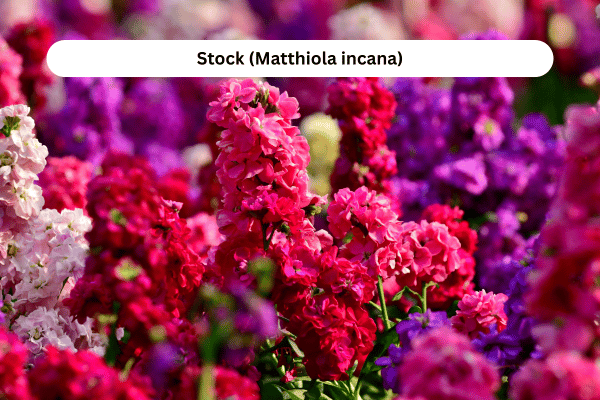
10) Stock (Matthiola incana)
Stock is a winter favorite for fragrance. If you like a home that smells naturally floral, stock near a sunny window is pure joy.
Care requirements
- Sunlight: Full sun; in warm spots, protect from harsh midday heat
- Temperature: Buds set best when nights stay cool; flowering slows as days get hot
- Water: Moist but free-draining soil; do not let pots stay soggy
- Soil: Rich, well-draining mix
- Simple tip: Place near seating areas for fragrance
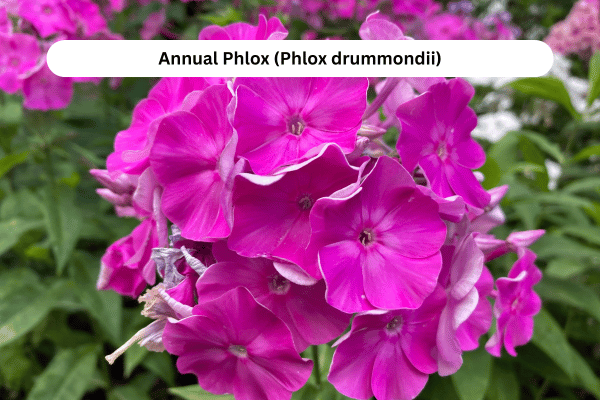
11) Annual Phlox (Phlox drummondii)
Annual phlox brings dense clusters of color and fills pots nicely. It is a good choice if you want a fuller, bouquet-like look.
Care requirements
- Sunlight: Bright light with 4 to 6 hours of sun
- Water: Regular watering in containers, especially if the mix dries quickly
- Feeding: Weekly high-potash liquid feed helps sustain flowering in pots
- Soil: Well-draining mix that stays lightly moist
- Simple tip: Deadhead to keep energy on new blooms
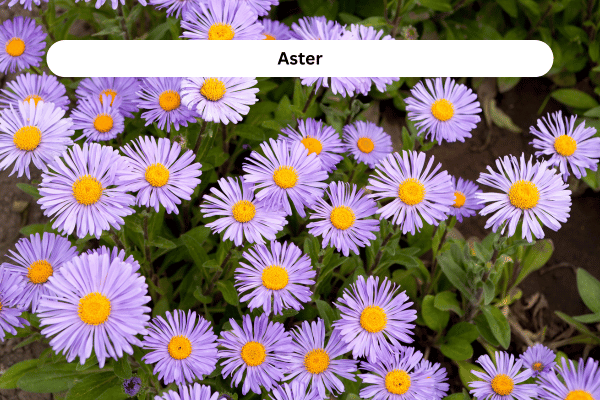
12) Aster (especially container-friendly varieties)
Asters give a classic daisy-like look and can bloom beautifully in pots. They are great when you want a slightly “wildflower” vibe indoors.
Care requirements
- Sunlight: Most asters prefer full sun; for containers aim for 6 to 8 hours
- Water: Water well when soil is dry; avoid frequent light sprinkles
- Soil: Free-draining mix (asters dislike waterlogged soil)
- Feeding: Often minimal; compost top-up helps
- Simple tip: Good airflow reduces mildew issues
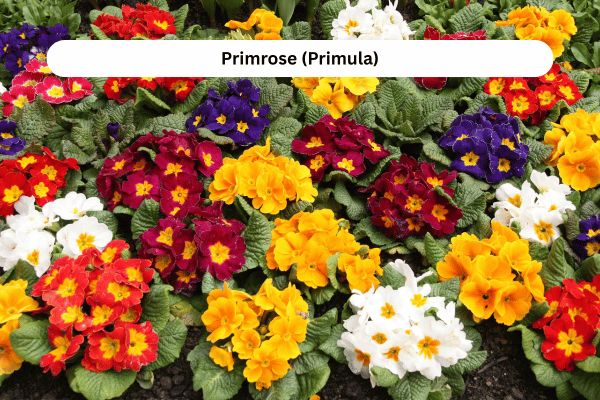
13) Primrose (Primula)
Primrose feels like a soft winter bouquet in a pot. It prefers cool, bright conditions, which is why it can do well indoors in winter.
Care requirements
- Sunlight: Bright light, avoid harsh midday sun
- Temperature: Keep it in a cool environment for longer-lasting blooms
- Water: Keep moist but not wet; water when the top feels slightly dry
- Soil: Well-draining mix with organic matter
- Simple tip: A cooler room usually means longer flowers
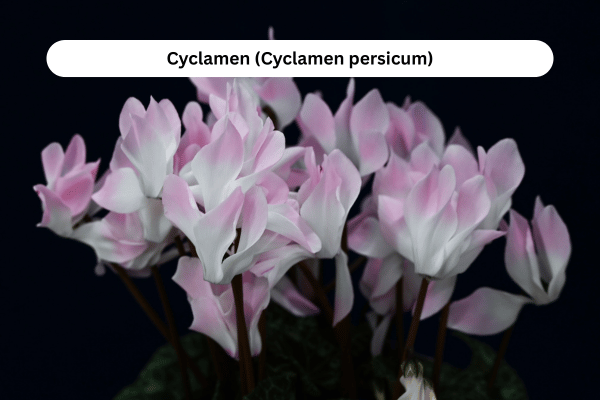
14) Cyclamen (Cyclamen persicum)
Cyclamen is one of the most reliable indoor winter bloomers. Its flowers look elegant, and it genuinely prefers cool rooms.
Care requirements
- Light: Bright, filtered light; avoid strong direct sun
- Temperature: Keep cool, minimum winter temperature around 13 to 16°C
- Water: Water moderately when in growth; reduce after flowering
- Soil: Loam-based, well-draining compost; keep tuber top slightly above soil
- Simple tip: Avoid hot, dry air and cold drafts
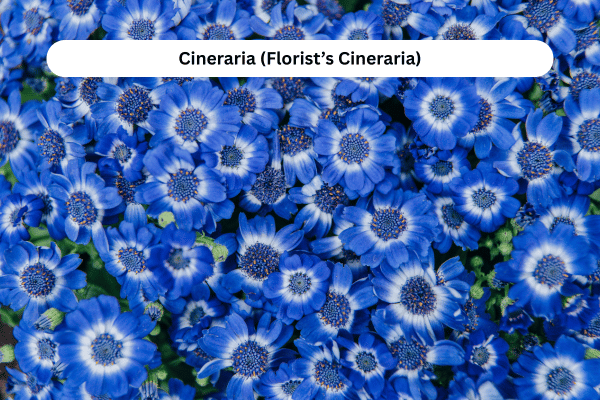
15) Cineraria (Florist’s Cineraria)
Cineraria often looks like a ready-made bouquet. It’s a cool-season plant that can thrive indoors when kept bright and cool.
Care requirements
- Sunlight: Bright, indirect light
- Temperature: Cool indoor conditions help blooms last
- Water: Keep evenly moist, never waterlog
- Soil: Rich but well-draining mix
- Simple tip: Do not keep it near heaters
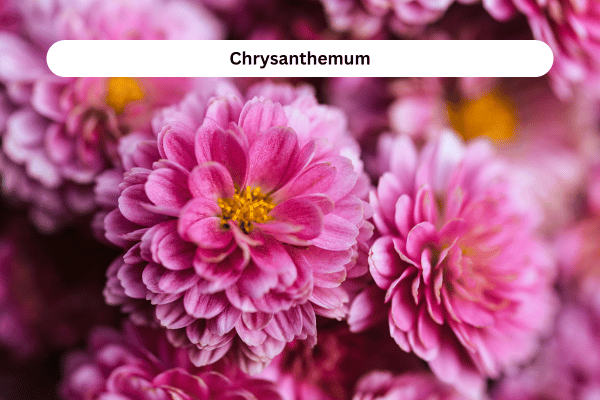
16) Chrysanthemum
Chrysanthemums are a winter staple in India for good reason. In pots, they can bloom for weeks and feel festive without much effort.
Care requirements
- Sunlight: Bright light, ideally 4 to 6 hours of sun for strong flowering
- Water: Water regularly; never let compost dry out completely
- Soil: Well-draining potting mix
- Feeding: Every 2 to 3 weeks during buds and blooms
- Simple tip: Consistent moisture, not soggy soil
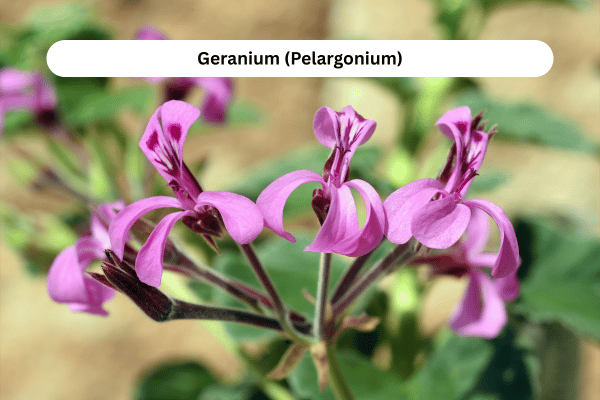
17) Geranium (Pelargonium)
Geraniums can keep flowering indoors through winter if they get strong light. They are especially good near south or west-facing windows.
Care requirements
- Sunlight: Bright window light is essential; if using artificial light, provide about 16 hours/day under a suitable bulb placed close
- Water: Allow soil to dry between waterings
- Soil: Well-draining mix
- Feeding: Every 3 to 4 weeks in active growth
- Simple tip: Too little light causes leggy growth and fewer blooms
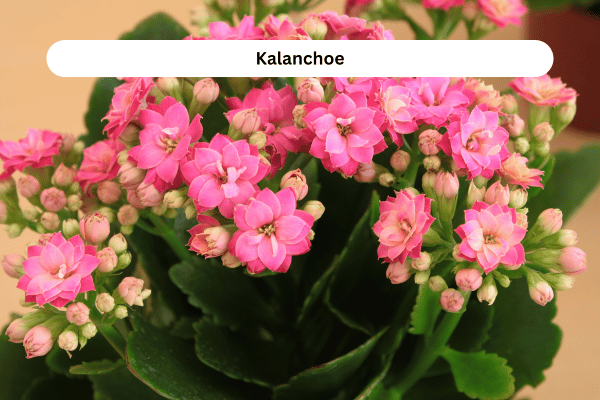
18) Kalanchoe (Kalanchoe blossfeldiana)
Kalanchoe is one of the easiest blooming houseplants for winter. It stays compact, handles indoor air well, and flowers last longer when nights are cooler.
Care requirements
- Light: Bright, filtered light indoors; it tolerates bright indoor conditions well
- Temperature: Cooler nights help prolong flowers; typical indoor ranges around 60 to 70°F (about 16 to 21°C) work well
- Water: Let soil dry slightly between waterings; overwatering is the main problem
- Soil: Very well-drained potting mix, extra grit helps
- Feeding: Monthly houseplant fertilizer during active growth
- Simple tip: If it looks “stretchy,” it needs more light
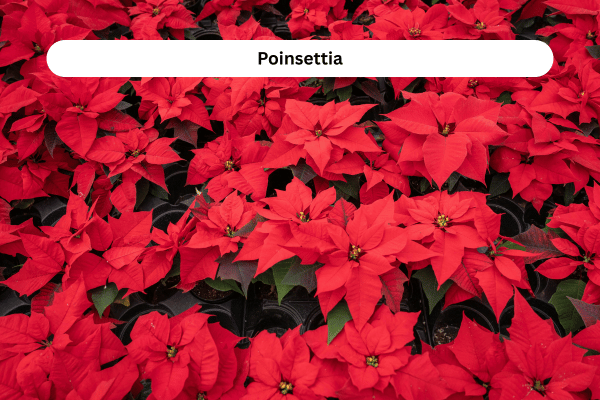
19) Poinsettia
Poinsettia is the classic winter décor plant. The colorful bracts can stay attractive for weeks when you keep the plant comfortable and stable.
Care requirements
- Light: Bright, indirect light
- Temperature: Keep around 65 to 75°F (18 to 24°C), away from drafts and heaters
- Water: Water when the soil surface feels dry; never let it sit in excess water
- Soil: Pot must drain freely
- Simple tip: Remove decorative foil before watering so roots do not sit in water
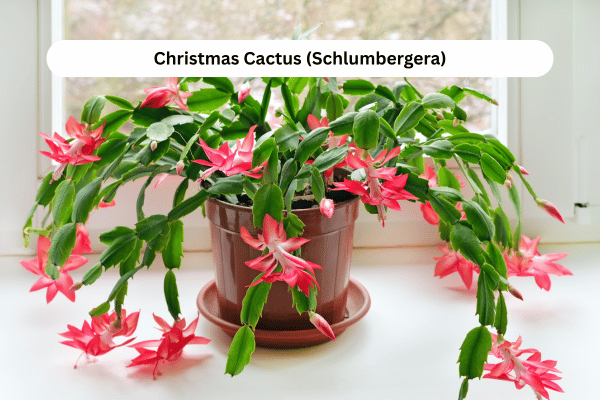
20) Christmas Cactus (Schlumbergera)
Christmas cactus is a true indoor winter bloomer. It likes bright shade rather than strong sun and rewards steady care with seasonal flowers.
Care requirements
- Light: Bright but indirect light
- Temperature: Typical indoor comfort range works well; propagation guidance notes 18 to 24°C as suitable for indoor conditions
- Water: Water regularly but avoid soggy compost; let the top layer begin drying
- Humidity: Moderate humidity helps
- Simple tip: Do not move it around when buds are forming
Most of the plants discussed here are seasonal winter flowering plants that bloom during the cooler months. If you’re looking for indoor flowering plants that flower throughout the year, you can also explore our detailed guide on 365 days flowering plants for Indian homes.
Which of These Winter Flowering Plants Are Low Maintenance?
Not all winter flowering plants are easy to manage indoors, especially if you have a busy routine. Some need frequent watering, precise light, or regular feeding to stay healthy. However, a few winter bloomers are naturally resilient, adapt well to indoor conditions, and continue flowering even with minimal care.
- Kalanchoe: Requires very infrequent watering, tolerates dry indoor air, and blooms reliably in winter with bright indoor light, making it one of the easiest winter flowering plants to maintain.
- Christmas Cactus: Grows well in bright, indirect light, needs watering only after the soil partially dries, and flowers indoors in winter without frequent feeding or pruning.
- Calendula (Pot Marigold): Extremely hardy and adaptable, continues to bloom in winter with basic watering and sunlight, and tolerates minor care mistakes better than most flowering plants.
These plants are ideal if you want winter blooms at home without having to monitor your plants every day.
Tips to Keep Winter Flowering Plants Happy Indoors
Before you rush to buy these plants, keep this simple plan:
- Prioritize light: a bright window beats any fertilizer
- Use drainage holes in every pot
- Water only after checking the top soil, winter soil dries slower
- Rotate pots weekly for even growth
- Deadhead regularly to extend blooming
With these basics, winter flowering plants become one of the most satisfying indoor gardening experiences in India.
FAQs
Which flowers last longest in winter?
Cyclamen, kalanchoe, and poinsettia are known for long-lasting indoor winter displays when kept cool with bright, indirect light. Chrysanthemums also last well in pots when you keep moisture consistent and remove faded blooms.
Which plant grows fastest in winter?
Petunia and calendula often grow quickly and start flowering early in the cool season when given full sun and regular feeding. Sweet alyssum also fills pots fast and blooms readily in mild winter weather.
What is the lowest maintenance winter flowering plant?
Kalanchoe is one of the lowest maintenance choices because it likes bright light, very well-drained soil, and only moderate watering once the soil dries slightly. It is a great option if you want winter blooms with minimal effort.