
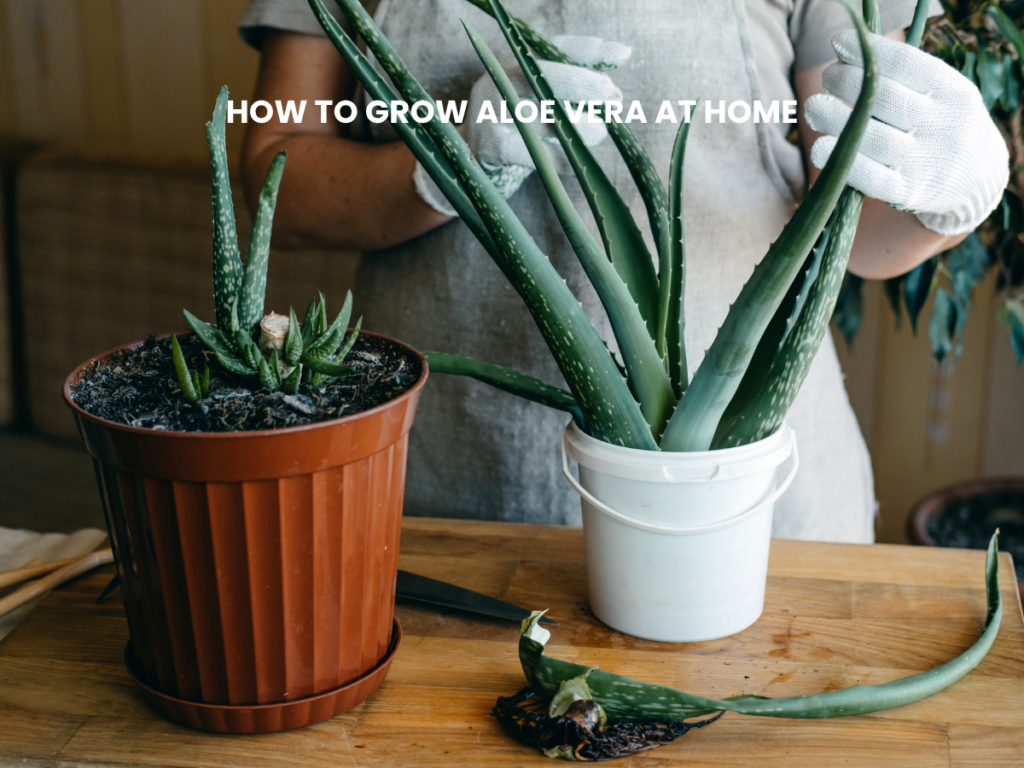
Learning how to grow aloe vera is one of the easiest ways to start indoor gardening, especially in Indian homes. Aloe vera is hardy, low-maintenance, and extremely forgiving if you make beginner mistakes. Whether you live in an apartment or have a balcony, growing aloe vera at home is both practical and rewarding.
This guide walks you through how to grow aloe vera at home step by step, covering everything from choosing the right pot to aloe vera plant care, propagation, and common problems. If you are a beginner, this is all you need to get started confidently.
Understanding Aloe Vera
Before learning how to grow aloe vera plant successfully, it helps to understand what kind of plant aloe vera is and why it behaves differently from most houseplants.
What is Aloe Vera?
Aloe vera is a succulent plant known for its thick, fleshy leaves filled with soothing gel. The plant naturally grows in dry, warm regions and stores water in its leaves, which is why it survives well with minimal care. This makes aloe vera an ideal plant for Indian climates and indoor conditions.
Benefits of Growing Aloe Vera at Home
Aloe vera is not just an ornamental plant. It is also one of the most widely grown medicinal plants in Indian households, valued for both its usefulness and ease of care.
Growing aloe vera at home offers several other benefits:
- Aloe vera gel is widely used to soothe minor burns, sunburn, and skin irritation when applied topically.
- The plant is extremely low maintenance, requiring minimal watering and care.
- Aloe vera adds clean, modern greenery to indoor spaces without taking much room.
- It is a long-living plant that continues to grow for years with basic care.
- Aloe vera produces offsets, making it easy to propagate and grow multiple plants from one pot.
How to Grow Aloe Vera at Home Successfully
This section covers the foundational steps required to grow aloe vera correctly. Getting these basics right ensures the plant stays healthy long-term.
How to Choose the Right Pot for Aloe Vera?
Choosing the correct pot is one of the most overlooked steps when learning how to grow aloe vera.
Key pot requirements:
- Use a pot with drainage holes at the bottom
- Terracotta or clay pots are preferred as they allow soil to dry faster
- Avoid decorative pots without drainage
- The pot should be slightly wider than deep to support root spread
A pot that traps water is the fastest way to kill an aloe vera plant.
What is the Best Soil for Growing Aloe Vera?
Soil choice plays a major role in aloe vera plant care, and this is where many beginner guides fall short.
Best soil characteristics:
- Fast-draining and loose texture
- Does not retain water for long
- Allows air to reach roots easily
Ideal soil options:
- Ready-made cactus or succulent mix
- Garden soil mixed with sand and coco peat
- Soil blended with perlite or coarse sand
Avoid heavy clay soil, which is common in many parts of India and retains too much moisture.
Essential Growing Conditions for Aloe Vera
Aloe vera thrives when its natural growing conditions are closely replicated. Light, temperature, and humidity play a crucial role in healthy growth.
How Much Light Does Aloe Vera Need?
Light is critical when learning how to grow aloe vera plant properly.
Aloe vera light requirements:
- Bright indirect sunlight for most of the day
- 3 to 5 hours of gentle morning sunlight is ideal
- Avoid harsh afternoon sun, especially during Indian summers
- Indoors, place near a south- or east-facing window
Signs of light issues:
- Pale or stretched leaves indicate low light
- Brown or reddish leaves indicate too much direct sun
What Temperature and Humidity Does Aloe Vera Prefer?
Aloe vera grows best in conditions that match typical Indian indoor environments.
Ideal conditions:
- Temperature range between 18°C and 35°C
- Can tolerate higher temperatures if soil stays dry
- Does not like cold drafts or temperatures below 10°C
- Normal indoor humidity is sufficient
Unlike tropical plants, aloe vera does not need misting or high humidity.
How to Water Aloe Vera the Right Way
Watering is the most common area where beginners go wrong. Understanding aloe vera’s watering needs prevents most problems.
Best watering practices:
- Water only when the soil is completely dry
- In summer, watering once every 10 to 15 days is usually enough
- In winter, watering once every 3 to 4 weeks is sufficient
- Always water deeply and let excess water drain out
Never let the pot sit in standing water. Overwatering leads to root rot, which is difficult to reverse.
Propagating Aloe Vera at Home
One of the advantages of growing aloe vera is how easily it multiplies. Propagation allows you to grow new plants without buying more.
What is the Best Way of Propagating Aloe Vera?
Aloe vera naturally produces small baby plants called pups that grow around the base of the parent plant. These pups can be separated and grown into new plants.
Step-by-Step Guide to Propagating Aloe Vera
Follow these steps for successful propagating aloe vera:
- Remove the parent plant gently from the pot
- Identify healthy pups with their own roots
- Separate pups using clean hands or a sterile knife
- Allow pups to dry for a few hours before planting
- Plant in dry, well-draining soil
- Wait 5 to 7 days before watering
Propagation works best during warm months when the plant is actively growing.
Aloe Vera Plant Care After Planting
Once aloe vera is planted correctly, ongoing care becomes simple. This section focuses on long-term aloe vera plant care.
How to Care for Aloe Vera Plant Long-Term?
Once planted, aloe vera plant care is minimal if basic needs are met.
Ongoing care tips:
- Rotate the pot occasionally for even growth
- Remove dried or damaged leaves from the base
- Avoid frequent repotting
- Repot only when roots outgrow the pot
Aloe vera prefers being slightly root-bound, so do not rush to repot.
Do Aloe Vera Plants Need Fertilizer?
Aloe vera does not need frequent feeding.
Basic fertilizer guidelines:
- Use diluted succulent fertilizer once or twice a year
- Avoid fertilizers high in nitrogen
- Do not fertilize during winter
Over-fertilizing can harm the plant and reduce healthy growth.
Common Aloe Vera Problems and Solutions
Even hardy plants like aloe vera can show stress if conditions are not ideal.
Why Are Aloe Vera Leaves Turning Brown or Yellow?
This can happen due to:
- Excess watering
- Poor drainage
- Too much direct sunlight
- Sudden temperature changes
Adjusting watering habits and light exposure usually solves the problem.
Why is My Aloe Vera Plant Soft or Mushy?
Soft or mushy leaves are a sign of root rot caused by overwatering.
To fix this:
- Stop watering immediately
- Remove the plant from the soil
- Trim damaged roots and leaves
- Replant in fresh, dry soil
How to Grow Aloe Vera Indoors in Indian Apartments
Aloe vera adapts well to apartment living when placed correctly.
Helpful tips include:
- Positioning the plant near bright windows
- Avoiding dark corners
- Using compact pots for limited space
- Keeping plants away from direct AC airflow
With proper light and drainage, aloe vera grows well indoors.
Final Thoughts…
Learning how to grow aloe vera at home is simple once you understand the plant’s basic needs. With the right amount of light, well-draining soil, and careful watering, aloe vera can thrive indoors for years with very little effort. It is a practical choice for beginners, apartment dwellers, and anyone looking to add a useful, low-maintenance plant to their space. Start with one healthy plant, observe how it responds to your environment, and adjust care gradually to enjoy steady, healthy growth over time.
FAQs
Aloe vera grows slowly. New leaves appear every few weeks, and a healthy plant usually produces pups within one to two years under proper care.
Yes, aloe vera is one of the easiest houseplants to grow, making it ideal for beginners learning how to grow aloe vera at home.
The best place is near a bright window with indirect sunlight, preferably an east- or south-facing window where it gets gentle morning light.
Aloe vera can survive in low light for short periods, but it grows best with bright indirect sunlight and may become weak without enough light.
If the soil is completely dry and the leaves feel thinner or slightly curled, it usually means the aloe plant needs watering.
Common signs include yellowing leaves, soft or mushy texture, drooping, and a foul smell from the soil, which can indicate root rot.
Adequate sunlight, well-draining soil, proper spacing, and avoiding overwatering help aloe vera grow steadily and stay healthy.
Yes, dead or dried leaves should be trimmed from the base using clean scissors to keep the plant healthy and encourage new growth.