
Medicinal plants in India have been used for generations as part of everyday life. Long before modern medicine, Indian homes relied on leaves, roots, and herbs to manage common health issues like cough, digestion problems, skin concerns, and immunity. Even today, many of these medicinal plants in India remain relevant because science continues to study and validate their benefits.
The best part is that several of these plants are easy to grow at home. In this guide, you will find a carefully selected medicinal plants list in India that suits home gardens, balconies, and even windowsills.
Importance of Medicinal Plants in India
Medicinal plants in India form the foundation of traditional systems such as Ayurveda, Siddha, and Unani. Many modern medicines are derived from plant compounds that were first used in these systems. Plants like tulsi, neem, and turmeric contain bioactive compounds with antioxidant, antimicrobial, and anti-inflammatory properties.
Medicinal plants are valued because they are:
- Rooted in centuries of documented traditional use
- Supported by modern scientific research
- Accessible and affordable for households
- Closely connected to preventive health and wellness
Medicinal Plants at Home and Why They Make Sense
Growing medicinal plants at home allows you to access fresh plant material without processing or preservatives. Many herbal plants listed below adapt well to Indian climates and require minimal maintenance, making them useful plants for home gardens.
Medicinal plants at home are practical because:
- Fresh leaves and roots retain more active compounds
- Plants can be grown organically with no chemicals
- Space requirements are minimal for most species
- They encourage a sustainable lifestyle
Top 15 Medicinal Plants in India
Below is a practical and climate-appropriate herbal plants list suitable for Indian homes.
Tulsi (Holy Basil)
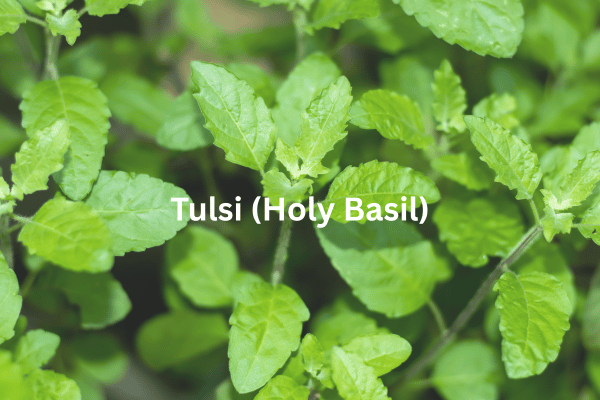
Tulsi is one of the most researched medicinal plants in India. Studies show that it contains eugenol, ursolic acid, and flavonoids that help support immunity, reduce inflammation, and protect against respiratory infections. Tulsi is traditionally used for cough, cold, mild fever, and stress related conditions. Its adaptogenic properties help the body cope with physical and mental stress.
Growing requirements:
- Sunlight: Needs 4 to 6 hours of direct sunlight daily, preferably morning sun
- Soil: Loose, well-drained loamy soil with moderate organic matter
- Water: Water when the top layer of soil feels dry, avoid constant moisture
- Container: Medium sized pot with multiple drainage holes
Aloe Vera
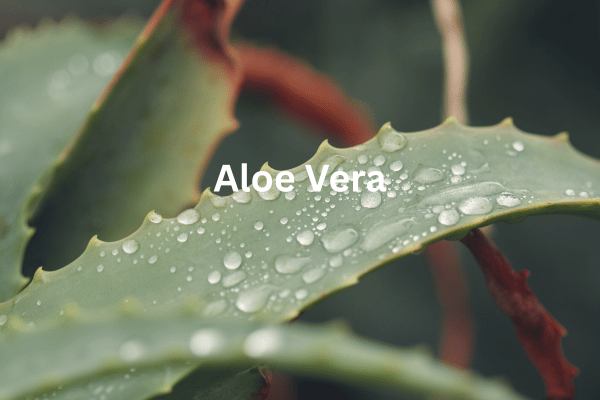
Aloe vera gel contains polysaccharides, vitamins, enzymes, and antioxidants that support wound healing, skin hydration, and digestive health. Scientific studies have shown aloe vera to be effective in soothing burns, minor cuts, and skin irritation. It is also used in controlled amounts for digestive support.
Growing requirements:
- Sunlight: Bright indirect sunlight or mild direct sunlight for 3 to 4 hours
- Soil: Sandy soil or cactus mix with excellent drainage
- Water: Water deeply but infrequently, only when soil is completely dry
- Container: Wide and shallow pot to accommodate spreading roots
Also Read: How to grow aloe vera at home
Neem
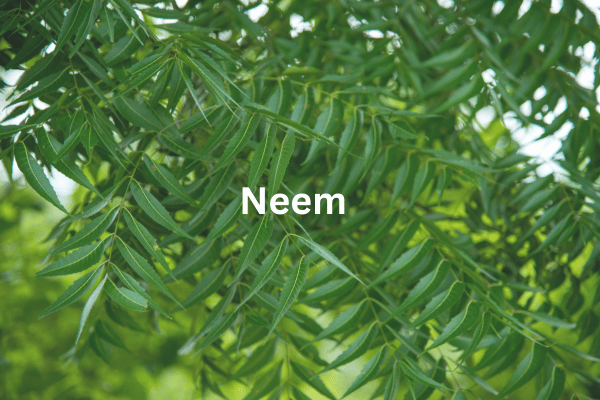
Neem contains compounds such as nimbin and azadirachtin that exhibit antibacterial, antifungal, and anti-inflammatory properties. It’s leaves and oil are widely used for skin health, oral hygiene, and immune support. Scientific research supports neem’s effectiveness against certain microbes.
Growing requirements:
- Sunlight: Requires full sunlight for at least 6 hours daily
- Soil: Well-drained soil, tolerant of poor soil conditions
- Water: Light watering once the soil surface dries out
- Container: Large pot or grow directly in open ground if space allows
Mint
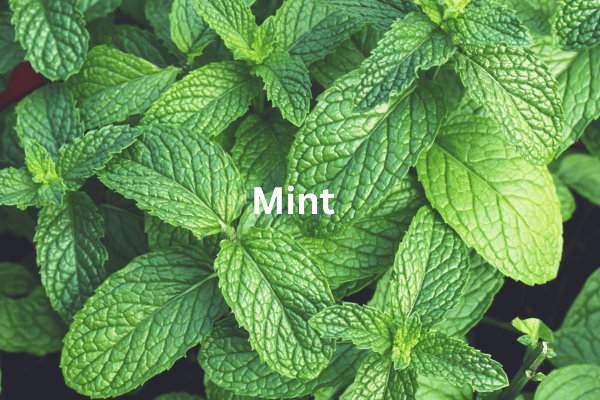
Mint contains menthol, which is known to relax digestive muscles and relieve indigestion. It also has mild antimicrobial properties. Mint is commonly used for stomach discomfort, nausea, and headaches.
Growing requirements:
- Sunlight: Partial sunlight, 3 to 5 hours daily
- Soil: Moist, fertile soil rich in organic matter
- Water: Frequent watering to keep soil consistently moist
- Container: Wide container to control spreading growth
Ginger
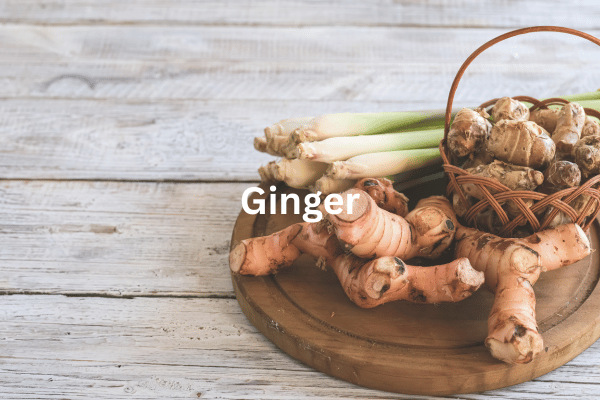
Ginger contains gingerol, a compound with strong anti-inflammatory and antioxidant effects. Research supports its use for nausea, digestion, and immune support. Ginger is also commonly used during colds and sore throat.
Growing requirements:
- Sunlight: Partial shade or filtered sunlight
- Soil: Loose, well-aerated soil rich in compost
- Water: Regular watering, soil should stay moist but not soggy
- Container: Deep container to allow rhizome expansion
Turmeric
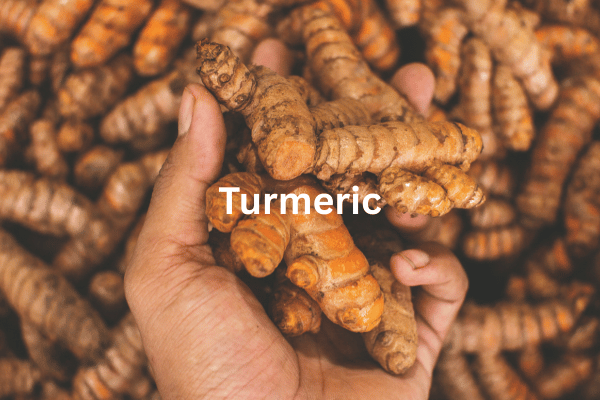
Turmeric’s active compound curcumin has been extensively studied for its anti-inflammatory, antioxidant, and immune supporting properties. Turmeric is widely used in Indian households for joint health, digestion, and wound care.
Growing requirements:
- Sunlight: Partial sunlight, about 4 to 6 hours daily
- Soil: Well-drained loamy soil enriched with organic matter
- Water: Moderate watering throughout the growing season
- Container: Deep pot to support rhizome growth
Curry Leaves

Curry leaves contain antioxidants, carbazole alkaloids, and plant compounds that support digestion, metabolic health, and blood sugar balance. Traditional and scientific studies suggest curry leaves may help improve insulin sensitivity and support liver function. They are also commonly associated with hair and scalp health in Indian households.
Growing requirements:
- Sunlight: Full sunlight for at least 6 to 8 hours daily to promote dense leaf growth
- Soil: Well-drained loamy soil with moderate organic matter and good aeration
- Water: Water when the top 2 to 3 cm of soil feels dry, avoiding constant moisture
- Container: Medium to large pot with drainage holes to support root development
Coriander
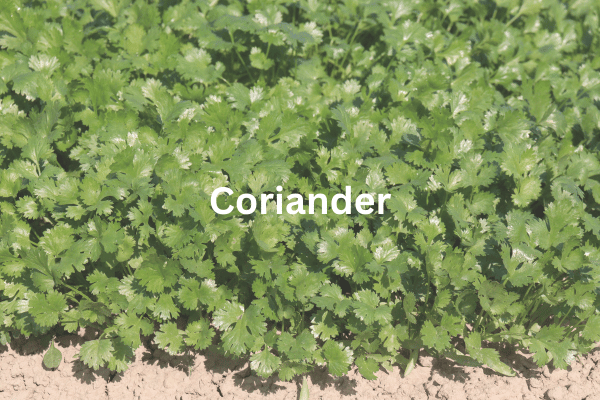
Coriander leaves and seeds contain essential oils, antioxidants, and dietary fiber that aid digestion and support detoxification. Scientific studies indicate coriander may help regulate blood sugar and lipid levels while supporting digestive health.
Growing requirements:
- Sunlight: Full to partial sunlight, ideally 4 to 6 hours of direct light daily
- Soil: Loose, well-drained soil that does not compact easily
- Water: Light but frequent watering to keep soil evenly moist
- Container: Shallow container, as coriander has a short root system
Garlic
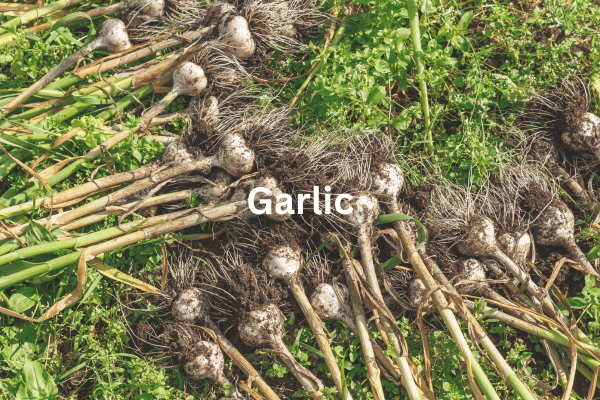
Garlic contains allicin, a sulfur-based compound with antimicrobial, immune-supporting, and cardiovascular benefits. Research associates garlic with improved heart health, reduced inflammation, and enhanced immune response.
Growing requirements:
- Sunlight: Full sunlight for at least 6 hours daily
- Soil: Loose, fertile soil with excellent drainage to prevent bulb rot
- Water: Minimal watering once plants are established, allowing soil to dry slightly between watering
- Container: Medium-depth pot that supports proper bulb formation
Ashwagandha
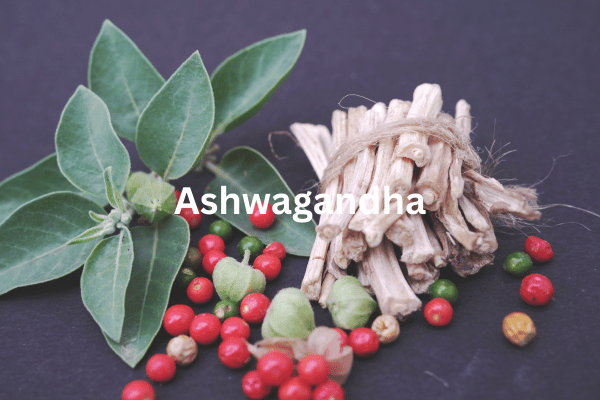
Ashwagandha is an adaptogenic herb studied for its ability to reduce stress, support energy levels, and improve sleep quality. Scientific research suggests it may help regulate cortisol levels and support overall mental well-being.
Growing requirements:
- Sunlight: Full sunlight throughout the day for optimal growth
- Soil: Sandy loam soil with excellent drainage and low moisture retention
- Water: Light watering once the plant is established, as it prefers relatively dry conditions
- Container: Large pot that allows deep root growth
Gotu Kola (Mandukaparni)
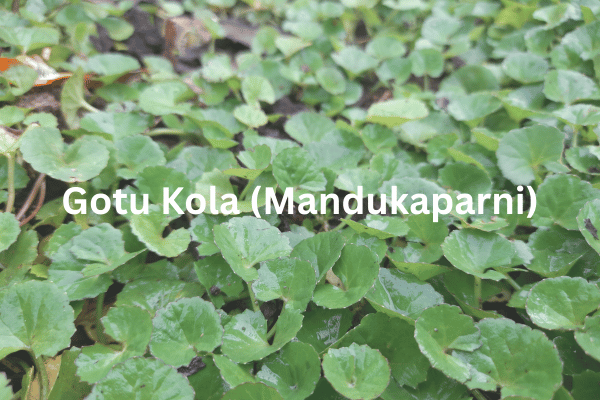
Gotu kola is traditionally used in Ayurveda for cognitive support, circulation improvement, and skin healing. Studies suggest it may help improve memory, wound healing, and connective tissue health.
Growing requirements:
- Sunlight: Partial shade or indirect sunlight, avoiding strong direct sun
- Soil: Moist, fertile soil that retains water without becoming waterlogged
- Water: Regular watering to maintain consistent soil moisture
- Container: Wide, shallow pot to allow horizontal spreading
Brahmi
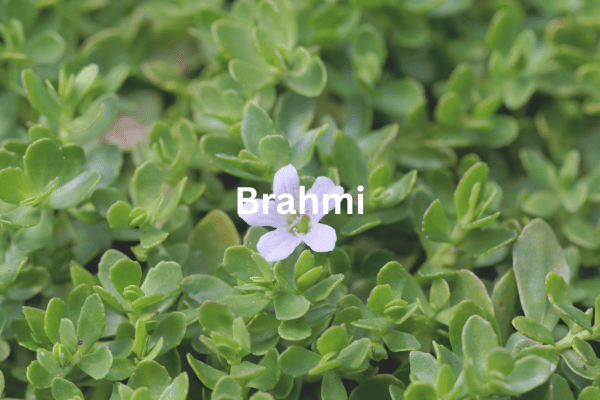
Brahmi contains bacosides, compounds linked through research to improved memory, focus, and reduced anxiety. It is commonly used to support brain health and nervous system function.
Growing requirements:
- Sunlight: Partial sunlight with protection from intense heat
- Soil: Moist, nutrient-rich soil with high organic content
- Water: Frequent watering to keep soil consistently moist
- Container: Shallow container suitable for its creeping growth habit
Ajwain (Carom Plant)
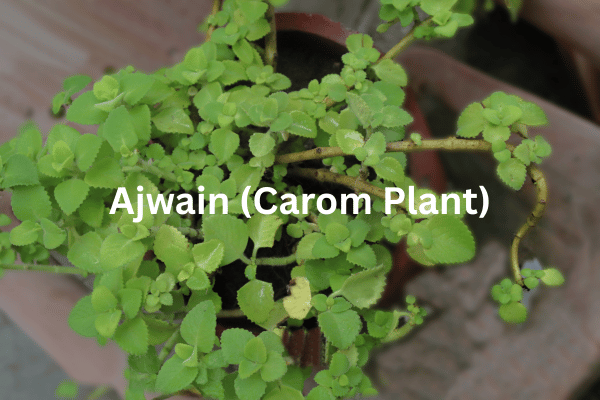
Ajwain leaves contain thymol, a compound known for antimicrobial, digestive, and respiratory benefits. Traditionally, ajwain leaves are used to relieve indigestion, gas, cough, and mild breathing discomfort.
Growing requirements:
- Sunlight: Bright sunlight for at least 5 to 6 hours daily
- Soil: Well-drained soil with low to moderate organic matter
- Water: Light watering only when the soil surface dries out
- Container: Small to medium pot with proper drainage
Insulin Plant
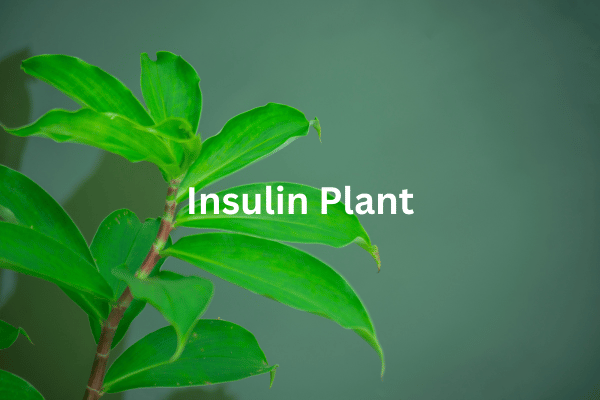
The insulin plant is popularly used in India to support blood sugar management. Preliminary scientific studies suggest its leaves may help improve glucose metabolism when used responsibly.
Growing requirements:
- Sunlight: Partial sunlight with bright indirect light for most of the day
- Soil: Well-drained fertile soil enriched with compost
- Water: Moderate watering, keeping soil slightly moist but not wet
- Container: Medium-sized pot that allows steady root growth
Giloy
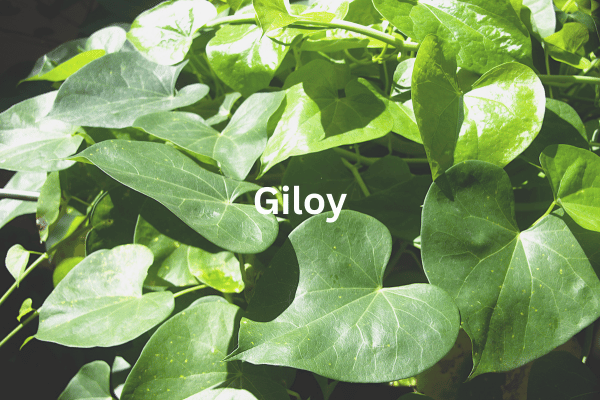
Giloy is widely used in Ayurveda for its immune-modulating, anti-inflammatory, and antipyretic properties. Research suggests giloy may help strengthen immunity and support the body during infections and fever.
Growing requirements:
- Sunlight: Full to partial sunlight, preferably with access to climbing support
- Soil: Well-drained soil that does not retain excess moisture
- Water: Moderate watering, allowing soil to dry slightly between watering
- Container: Large pot with vertical support such as a trellis or stake
Tips to Grow Medicinal Plants Successfully
Growing medicinal plants in India at home becomes easier when basic gardening principles are followed:
- Soil preparation: Use loose, well-drained soil enriched with compost to support root health.
- Sunlight planning: Observe sunlight patterns on your balcony or terrace and place plants accordingly.
- Water management: Overwatering causes more damage than underwatering, so always check soil moisture.
- Organic care: Use natural pest control methods like neem oil and avoid chemical sprays.
- Seasonal awareness: Some medicinal plants grow best during specific seasons, so timing matters.
Wrapping Up
Medicinal plants in India continue to be relevant because they combine traditional wisdom with modern scientific understanding. This medicinal plants list in India shows that you do not need a large garden to grow useful plants for home wellness.
Start with one or two plants, understand their needs, and gradually build your home medicinal garden. With time, growing medicinal plants at home becomes both rewarding and deeply satisfying.
FAQs
India is home to many highly valued medicinal plants used in traditional systems like Ayurveda. Some of the most medicinal plants in India include tulsi, neem, turmeric, ginger, ashwagandha, giloy, aloe vera, and brahmi. These plants are known for their immune-supporting, anti-inflammatory, antimicrobial, and stress-relieving properties, and many are supported by scientific research.
Medicinal plants can be grown at home by selecting plants suited to the local climate and providing basic care such as adequate sunlight, well-drained soil, and proper watering. Using pots with drainage holes, avoiding overwatering, and placing plants according to their sunlight needs are key factors for healthy growth.
There is no single most powerful medicinal plant, as different plants support different aspects of health. Tulsi is widely valued for immunity and respiratory health, neem for antimicrobial and skin benefits, turmeric for its anti-inflammatory properties, and ashwagandha for stress and energy support. Each plant is powerful in its own way based on its medicinal compounds and traditional use.
Several medicinal herbs can be grown indoors with sufficient natural light. Common indoor-friendly medicinal plants include aloe vera, mint, tulsi, brahmi, gotu kola, ajwain, and coriander. These plants thrive near bright windows or balconies and require regular watering and good air circulation.