
Flowers have always held a special place in Indian homes, from morning prayers to festival decorations. The vibrant blooms of indoor flowering plants can transform any space into a living celebration of color and life. Finding plants that thrive in India’s diverse climate zones while fitting into modern apartments can be challenging, but the rewards are exceptional.
Why Choose Indoor Flowering Plants for Your Home?
Indoor flowering plants offer multiple benefits beyond mere decoration. Flowering plants reduce stress levels, enhance mood, and create connection with nature even in compact urban spaces. The cultural significance of flowers in Indian traditions makes these plants particularly meaningful, bringing daily joy and auspicious energy into your home. Unlike cut flowers that wilt within days, indoor flowering plants provide blooms for weeks or months with proper care.
What Makes a Flowering Plant Perfect for Indian Homes?
India’s diverse climate zones require different plant care approaches. Coastal regions like Mumbai and Chennai experience high humidity and moderate temperatures, while northern plains including Delhi and Jaipur face extreme temperature variations from 5°C in winter to 45°C in summer. Southern cities like Bangalore enjoy stable conditions year-round, and mountain regions experience cool temperatures with higher humidity. The best indoor flowering plants for India must tolerate these varied conditions while thriving indoors with limited direct sunlight.
20 Best Indoor Flowering Plants for Indian Homes
1. Peace Lily (Spathiphyllum)
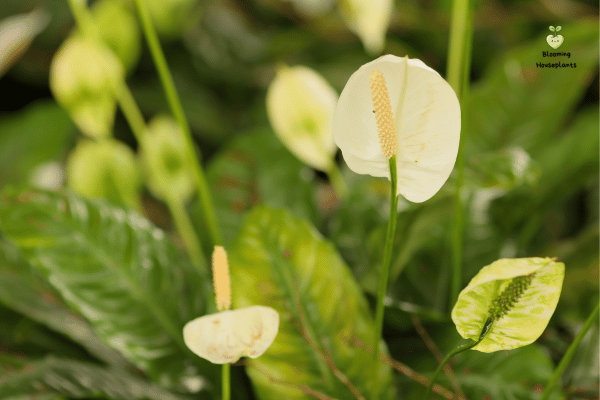
The Peace Lily tops the list as one of India’s most beloved indoor flowering plants. This elegant plant produces pristine white spathes that resemble peace flags above glossy dark green leaves. The plant blooms repeatedly throughout the year and adapts beautifully to low light conditions common in Indian apartments.
Care Tips for Indian Climate:
- Place in bright indirect light or low light areas
- Water when top inch of soil feels dry, typically twice weekly in summer, weekly in winter
- Maintain temperature between 18-30°C (thrives in most Indian homes)
- Increase humidity during dry winter months in north India
- Fertilize monthly during growing season
Read more on how to take care of peace lily plant
2. Anthurium (Flamingo Flower)
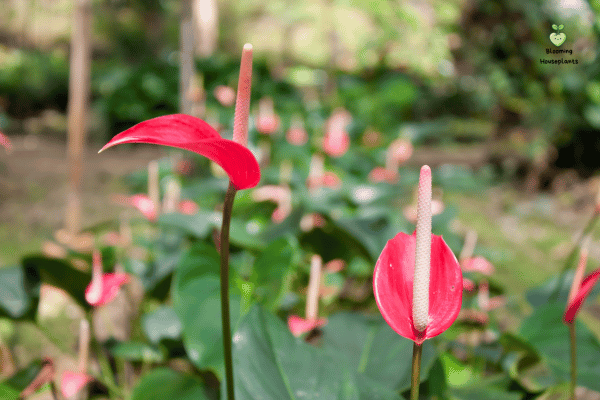
Anthurium stands out as a champion among year round blooming plants with its stunning heart-shaped flowers in red, pink, or white that last 6-8 weeks each. This tropical beauty blooms almost continuously in India’s warm climate when given proper care. The glossy foliage remains attractive even between blooming cycles, making it perfect for living rooms and bright spaces. Anthuriums particularly thrive in India’s coastal regions with naturally high humidity.
Care Tips for Indian Climate:
- Provide bright indirect light near east or north-facing windows
- Water weekly, allowing top 2 inches to dry between waterings
- Ideal temperature range 18-27°C, perfect for most Indian homes
- Requires high humidity (60%+), use pebble trays in dry climates
- Feed monthly with balanced fertilizer
3. Kalanchoe
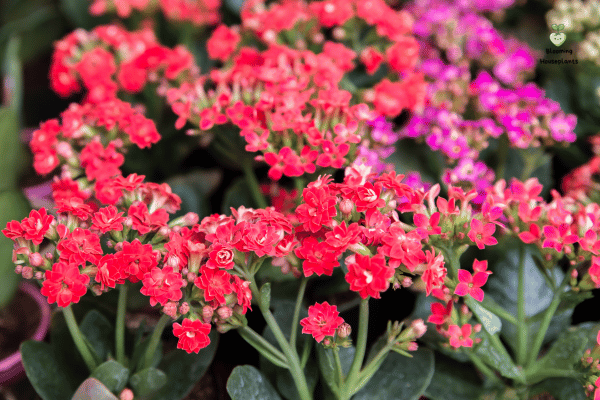
Perfect for beginner-friendly flowering plants, Kalanchoe produces vibrant clusters of tiny flowers in red, pink, yellow, orange, and white. These succulent bloomers flower for 6-8 weeks and require minimal maintenance, making them ideal for busy plant parents. The thick, glossy leaves store water, allowing the plant to tolerate India’s hot, dry conditions with ease. Kalanchoe particularly excels on balconies and sunny windowsills across Indian homes.
Care Tips for Indian Climate:
- Place in bright indirect to direct morning sun
- Water sparingly, only when soil is completely dry (weekly or less)
- Tolerates temperatures 15-35°C, ideal for Indian climate
- Requires low humidity, perfect for north India
- Fertilize every 3-4 weeks during blooming season
4. Ixora (Jungle Geranium/Rangan)
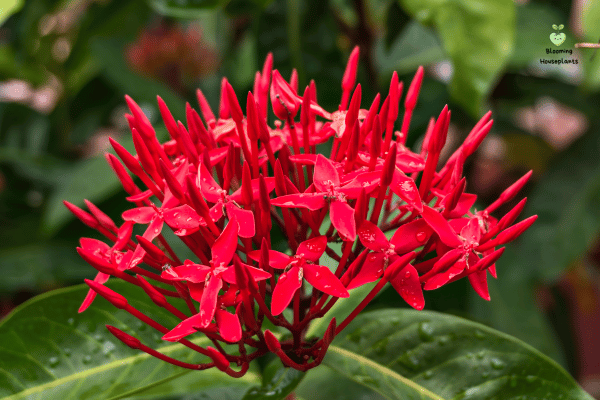
Ixora, known as Rangan in Hindi, is a classic Indian favorite producing bright red, orange, pink, or yellow flower clusters. This plant blooms nearly year-round in India’s warm climate and holds cultural significance in many Hindu rituals. The dense clusters of small flowers create spectacular displays, and the plant adapts well to container growing. Ixora thrives particularly well in south India’s moderate climate but adjusts to most regions with proper care.
Care Tips for Indian Climate:
- Requires bright indirect light, tolerates some morning sun
- Keep soil consistently moist but not waterlogged
- Thrives in temperatures 20-30°C, common in Indian homes
- Enjoys natural humidity of coastal and southern regions
- Feed every 2 weeks with balanced fertilizer
5. Cyclamen
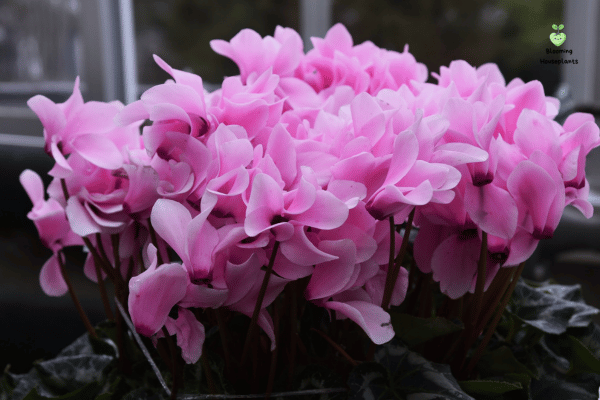
Among winter flowering plants, Cyclamen produces delicate butterfly-like blooms in shades of pink, red, white, and purple. This cool-season bloomer performs exceptionally well in north India during winter months, bringing color when few other plants flower. The heart-shaped leaves with silver markings add ornamental value even after blooming. Cyclamen prefers the cooler temperatures of Indian winters, making it perfect for December through February displays.
Care Tips for Indian Climate:
- Place in bright indirect light away from harsh afternoon sun
- Water when topsoil feels dry, avoid wetting leaves
- Prefers cool temperatures 10-20°C, ideal for north India winters
- Requires moderate humidity
- Reduce watering after flowering ends
6. Primrose (Primula)
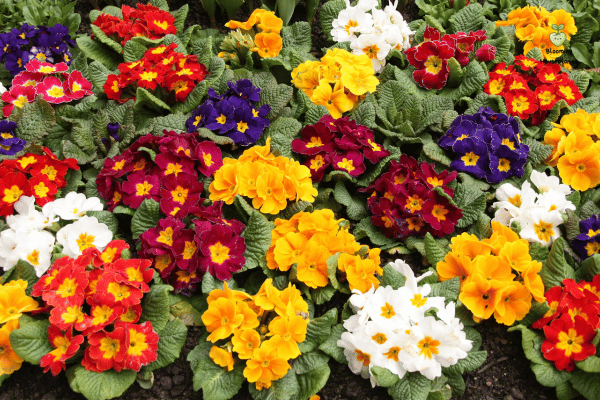
Primrose offers cheerful blooms perfect for winter flowering plants collections in Indian homes. Available in rainbow colors including pink, purple, yellow, red, and blue, these compact plants create stunning tabletop displays. Primrose thrives in the cool temperatures of north Indian winters and mountainous regions. The rosette of leaves produces multiple flower stalks, creating abundant blooms that last several weeks.
Care Tips for Indian Climate:
- Needs bright indirect light, avoid direct afternoon sun
- Keep soil evenly moist, never soggy or dry
- Thrives in temperatures 10-18°C, perfect for winter in north India
- Requires high humidity, mist regularly
- Fertilize every 2 weeks during blooming period
7. Christmas Cactus (Schlumbergera)
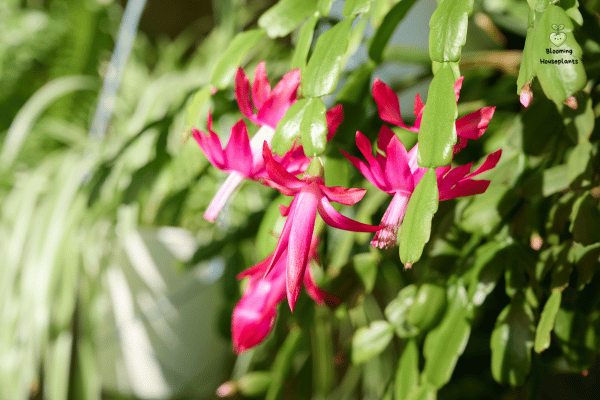
Christmas Cactus blooms during India’s winter months with stunning tubular flowers in pink, red, white, or orange. This low maintenance flowering plant requires minimal care and can live for decades with proper treatment. The segmented, arching stems create attractive cascading displays year-round, making it ideal for hanging planters. As one of the most forgiving beginner friendly flowering plants, it tolerates occasional neglect while still producing reliable blooms.
Care Tips for Indian Climate:
- Place in bright indirect light, avoid direct sun
- Water when top inch of soil is dry, reduce in winter
- Prefers temperatures 15-21°C, ideal during north India winters
- Requires moderate to high humidity
- Fertilize monthly from spring to fall
8. Adenium (Desert Rose)
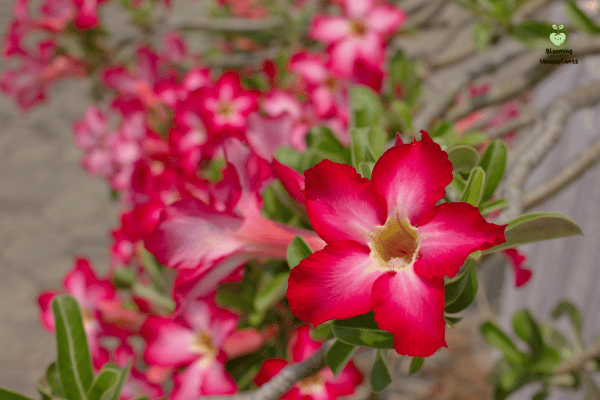
Adenium ranks among the best summer flowering plants for Indian climate with its spectacular trumpet-shaped blooms in pink, red, and white. The distinctive swollen trunk stores water, allowing this plant to thrive in India’s intense summer heat and dry conditions. Desert Rose particularly excels in west and south-facing balconies where other plants struggle. The combination of exotic flowers and sculptural trunk makes it a prized addition to any collection.
Care Tips for Indian Climate:
- Requires full sun, at least 6 hours daily
- Water weekly during summer, reduce to every 10-14 days in winter
- Loves Indian summer heat, thrives at 25-40°C
- Prefers low humidity, perfect for north India
- Feed monthly during growing season
9. Portulaca (Moss Rose)
Portulaca brings brilliant color to summer flowering plants collections with rose-like blooms in vivid pink, red, orange, yellow, and white. This low-growing succulent produces flowers that open in sunlight and close at night, creating daily displays from spring through fall. Portulaca’s drought tolerance makes it perfect for hot Indian summers and balcony containers. The plant self-seeds readily, often returning year after year.
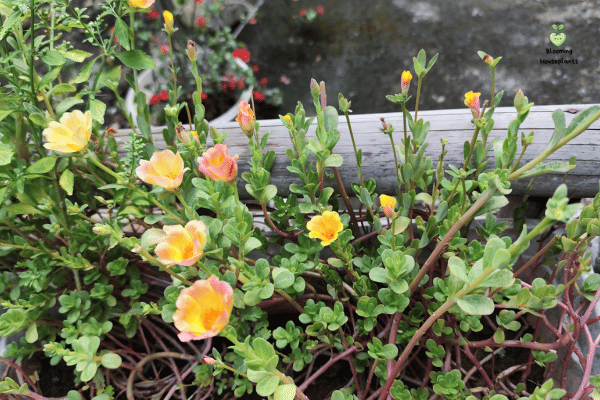
Care Tips for Indian Climate:
- Needs full sun for blooming, 6-8 hours daily
- Water sparingly, drought-tolerant once established
- Thrives in heat, tolerates 35-45°C Indian summers
- Prefers low humidity and dry conditions
- Requires minimal fertilization
10. Vinca (Periwinkle/Sadabahar)
Vinca, known as Sadabahar (ever-blooming) in Hindi, lives up to its name with nearly continuous flowers in pink, white, red, and purple. This quintessential Indian plant thrives in heat and humidity while requiring minimal care, making it perfect for beginner friendly flowering plants lists. Vinca adapts equally well to containers and ground planting, tolerating both full sun and partial shade. The plant continues blooming through India’s intense summers when many others rest.
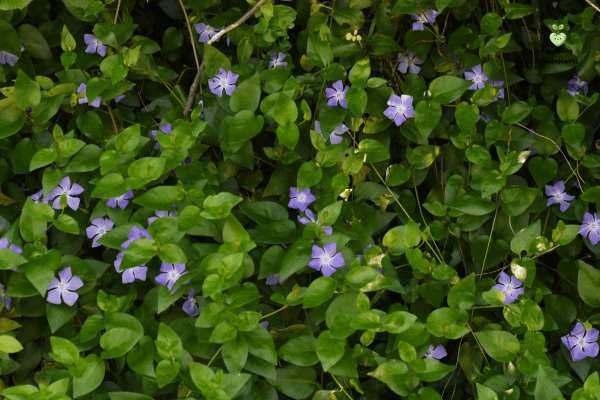
Care Tips for Indian Climate:
- Tolerates full sun to partial shade
- Water when topsoil feels dry, drought-tolerant
- Thrives in 20-35°C, perfect year-round in most of India
- Adapts to varying humidity levels
- Fertilize every 4 weeks for continuous blooms
11. African Violet (Saintpaulia)
African Violets excel as small indoor flowering plants with velvety leaves and delicate blooms in purple, pink, white, and blue. These compact beauties bloom year-round under proper conditions, making them ideal for tabletops and small spaces. African Violets particularly suit low light flowering plants needs, thriving in north-facing windows or rooms with bright ambient light. The plant’s modest size and continuous blooming make it perfect for urban Indian apartments.
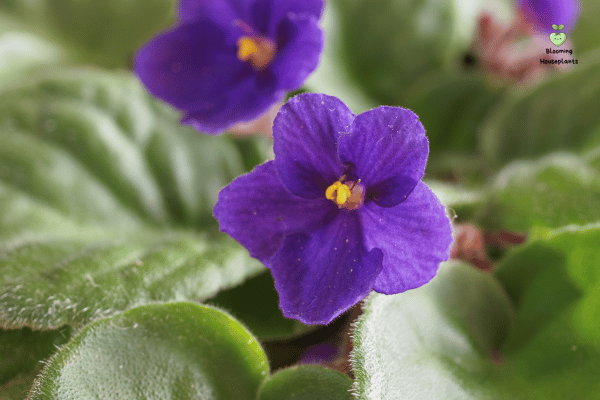
Care Tips for Indian Climate:
- Requires bright indirect light, no direct sun
- Water from bottom when soil surface feels dry, avoid wetting leaves
- Prefers temperatures 18-24°C, comfortable room temperature
- Needs moderate to high humidity
- Fertilize every 2 weeks with half-strength balanced feed
12. Begonia
Begonias offer both spectacular flowers and ornamental foliage, making them versatile indoor flowering plants for Indian homes. Available in endless varieties with blooms in pink, red, white, orange, and yellow, these plants provide options for every aesthetic. Begonias particularly excel in low light flowering plants collections, blooming reliably in bright indirect light. The asymmetrical leaves add year-round interest even between flowering periods.
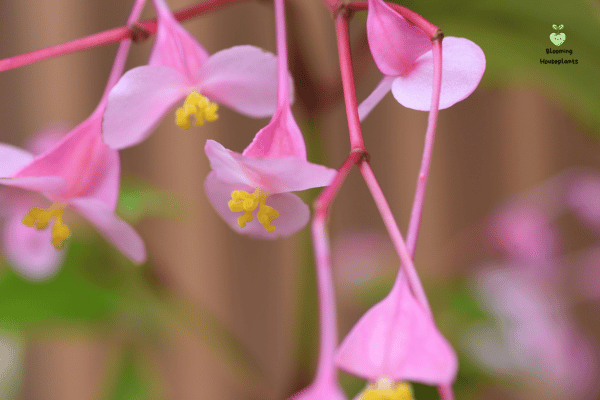
Care Tips for Indian Climate:
- Place in bright indirect light, protect from hot sun
- Water when top inch of soil dries, avoid overwatering
- Prefers temperatures 18-25°C, typical Indian indoor temps
- Requires high humidity, mist regularly or use pebble trays
- Feed monthly during growing season
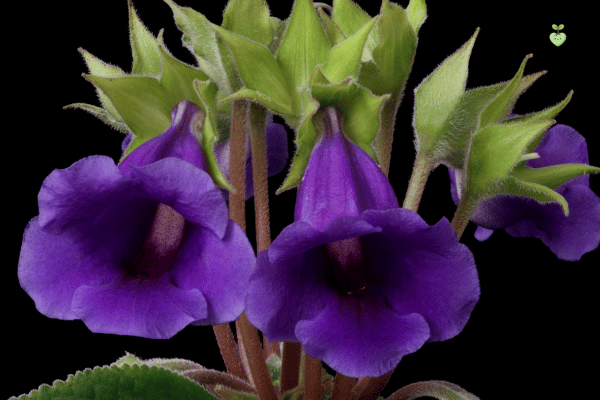
13. Gloxinia
Gloxinia produces spectacular trumpet-shaped blooms in rich colors of purple, red, pink, and white with velvety texture. These dramatic flowers can reach up to 10cm across, creating stunning focal points in small indoor flowering plants collections. Gloxinia particularly suits low light flowering plants requirements, blooming beautifully in bright indirect light without any direct sun. The compact growth habit makes it perfect for tabletops and shelves.
Care Tips for Indian Climate:
- Needs bright indirect light, never direct sun
- Keep soil consistently moist during blooming, reduce after
- Prefers cooler temperatures 18-24°C
- Requires high humidity, avoid wetting fuzzy leaves
- Fertilize every 2 weeks during growth period
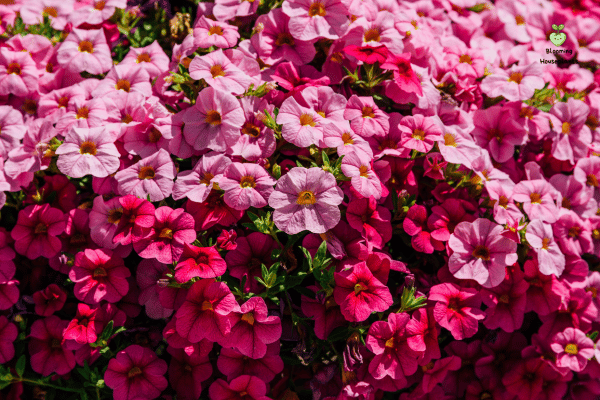
14. Geranium (Pelargonium)
Geraniums rank among the most popular flowering plants for balconies in India with vibrant clusters of blooms in red, pink, white, orange, and purple. These sun-lovers produce continuous flowers from fall through spring, resting during peak summer heat in north India. Geraniums tolerate India’s temperature variations well and require minimal care once established. The aromatic foliage adds an extra sensory dimension, with some varieties offering lemon or rose scents.
Care Tips for Indian Climate:
- Requires 6-8 hours direct sunlight for best blooming
- Water when top 2 inches of soil dry, reduce in winter
- Tolerates 10-35°C, handles Indian temperature range well
- Prefers moderate humidity, adaptable
- Fertilize every 4 weeks during growing season
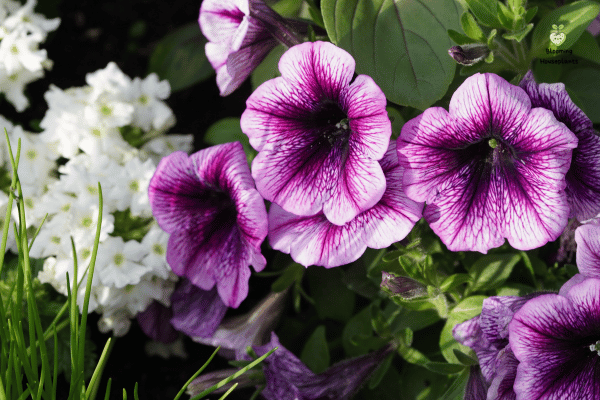
15. Petunia
Petunias bring spectacular summer color to balcony flowering plants with trumpet-shaped blooms in virtually every color imaginable. These prolific bloomers produce flowers continuously from spring through fall with proper deadheading. Petunias particularly excel in hanging baskets and containers on sunny balconies across Indian homes. The cascading varieties create stunning vertical displays perfect for space-constrained urban settings.
Care Tips for Indian Climate:
- Needs full sun, at least 5-6 hours daily
- Water daily during hot summers, keep soil evenly moist
- Thrives in 15-28°C, tolerates summer heat with adequate water
- Adapts to varying humidity levels
- Feed weekly with diluted fertilizer for continuous blooms
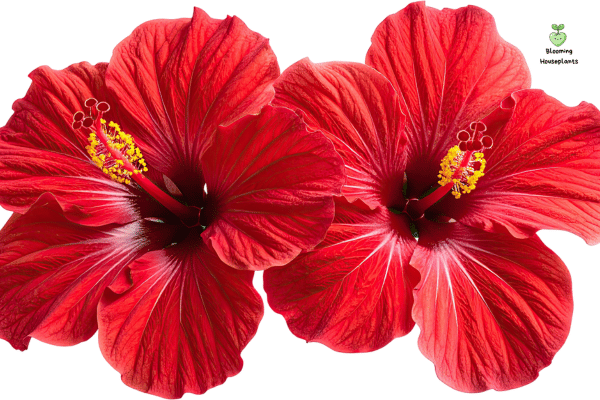
16. Hibiscus (Gudhal/Jasum)
Hibiscus, called Gudhal in Hindi, holds cultural and religious significance in Indian homes while producing stunning large blooms in red, pink, orange, yellow, and white. Each flower lasts only one day but the plant produces new blooms continuously through warm months. Hibiscus particularly thrives in balcony flowering plants collections with full sun exposure. The flowers attract butterflies and can be used fresh for prayers or herbal tea.
Care Tips for Indian Climate:
- Requires full sun, minimum 6 hours direct light
- Water daily in summer when topsoil dries, reduce in winter
- Thrives in 20-35°C, perfect for Indian climate
- Enjoys natural humidity of coastal regions
- Feed every 2 weeks with high-potassium fertilizer
17. Oxalis (Shamrock Plant)
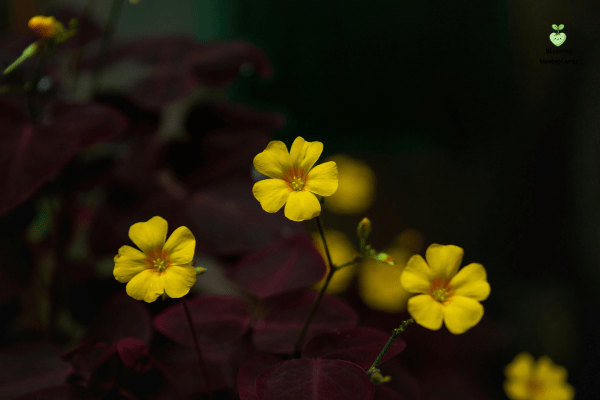
Oxalis offers unique clover-like leaves in green or burgundy with delicate star-shaped flowers in pink or white. This charming small indoor flowering plant adds whimsy to tabletops and small spaces with its responsive foliage that folds at night. Oxalis blooms prolifically in bright indirect light and makes an excellent choice for compact urban apartments. The plant occasionally goes dormant but quickly returns to active growth with proper care.
Care Tips for Indian Climate:
- Requires bright indirect light for best blooming
- Keep soil consistently moist but never soggy
- Prefers moderate temperatures 15-24°C
- Adapts to moderate humidity levels
- Fertilize monthly during active growth
18. Mini Roses
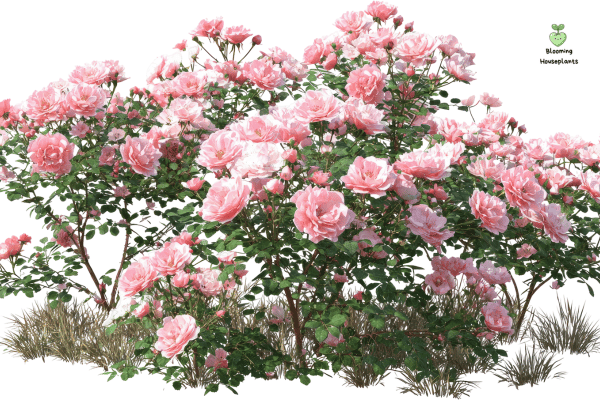
Mini Roses bring the beauty of garden roses indoors in a compact form perfect for small indoor flowering plants collections. These miniature versions produce fully formed roses in red, pink, white, yellow, and orange on plants that stay under 30cm tall. Mini Roses require more light than typical houseplants but reward with multiple blooming cycles throughout the year. The light fragrance adds another layer of appeal to these charming plants.
Care Tips for Indian Climate:
- Needs bright indirect light with some direct morning sun
- Water when top inch of soil dries, keep consistently moist
- Prefers temperatures 18-25°C, typical Indian room temps
- Requires moderate to high humidity
- Feed every 2 weeks during growing season with rose fertilizer
19. Jasmine (Mogra)
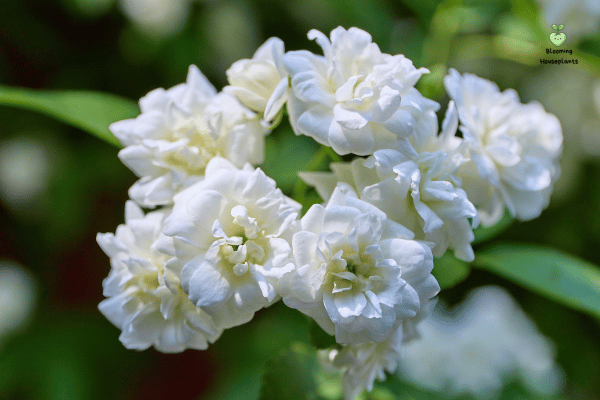
Jasmine, especially the Mogra variety, holds immense cultural value in Indian homes with its intoxicating fragrance and pristine white blooms. This fragrant indoor flowering plant produces flowers used in religious ceremonies, hair adornments, and garlands. While technically suitable for balconies with partial sun, many varieties adapt to bright indoor locations. The evening-blooming flowers release their strongest scent at dusk, creating magical aromatic experiences.
Care Tips for Indian Climate:
- Requires bright light with 3-4 hours direct morning sun
- Water when topsoil dries, increase during blooming season
- Thrives in 20-30°C, ideal Indian temperatures
- Enjoys humidity of coastal and southern regions
- Feed monthly with balanced fertilizer
20. Gardenia
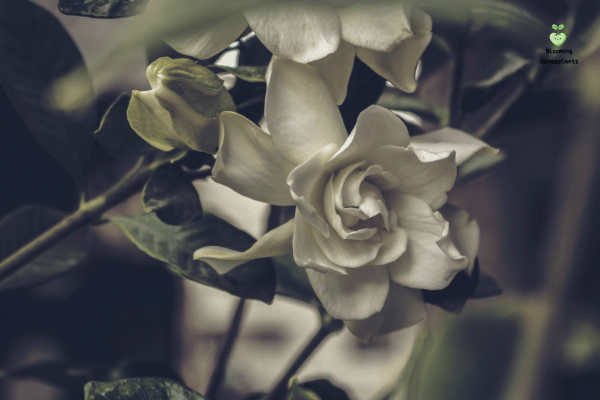
Gardenias produce exquisite white flowers with one of the most beloved fragrances in the plant world, making them prized fragrant indoor flowering plants. The glossy evergreen leaves remain attractive year-round while flowers appear from spring through summer. Gardenias can be somewhat particular about their conditions but are worth the extra effort for their spectacular scent and blooms. These plants particularly thrive in humid coastal regions of India.
Care Tips for Indian Climate:
- Needs bright indirect light, protect from harsh sun
- Keep soil consistently moist, never waterlogged or dry
- Prefers 18-23°C, may need protection during extreme heat
- Requires high humidity, mist regularly
- Feed monthly with acid-loving plant fertilizer
Common Mistakes to Avoid with Indoor Flowering Plants
Overwatering Kills More Plants Than Underwatering
Indian plant parents often water too frequently, especially during monsoon when natural humidity keeps soil moist longer. Always check soil moisture before watering by inserting your finger 2-3cm deep. If the soil feels moist, wait another day or two. Most flowering plants prefer slight drying between waterings rather than constant moisture.
Ignoring India’s Seasonal Changes
While India doesn’t experience four distinct seasons like temperate regions, winter and monsoon still affect plant care needs. Reduce watering frequency by 30-50% during winter months when growth slows. Skip fertilization during monsoon (July-September) when plants naturally rest. Adjust care routines based on your specific region’s climate patterns.
Wrong Light Placement
West-facing windows receive intense afternoon sun in India that can scorch leaves of shade-loving plants. North-facing windows provide bright indirect light ideal for most indoor flowering plants. East-facing windows offer gentle morning sun perfect for plants needing moderate light. Observe your plants for signs of light stress like leaf burn or leggy growth and adjust placement accordingly.
Using Garden Soil for Pots
Heavy garden soil compacts in containers, causing drainage problems and root rot. Always use well-draining potting mix combining cocopeat, perlite, and compost. Indian garden centers sell ready-made potting mixes suitable for flowering plants. Good drainage is essential, especially during monsoon months when excess moisture accumulates.
Neglecting Pest Prevention
Monsoon and summer months bring increased pest pressure from aphids, mealybugs, and spider mites. Apply neem oil spray monthly as preventive measure rather than waiting for infestations. Inspect new plants before bringing them near your collection. Quarantine any plants showing pest signs immediately to prevent spread.
Quick Comparison: 20 Best Indoor Flowering Plants at a Glance
| Plant Name | Blooming Season | Light Needs | Best For | Difficulty | Pet Safe |
| Peace Lily | Year-round | Low to bright indirect | Beginners, air purification | Very Easy | ⚠️ No |
| Anthurium | Year-round | Bright indirect | Living rooms, coastal regions | Easy | ⚠️ No |
| Kalanchoe | 6-8 weeks, multiple times | Bright indirect to direct | Balconies, beginners | Very Easy | ⚠️ No |
| Ixora (Rangan) | Year-round | Bright indirect | South India, balconies | Easy | ✅ Yes |
| Cyclamen | Winter (Dec-Feb) | Bright indirect | North India winters | Moderate | ⚠️ No |
| Primrose | Winter (Dec-Mar) | Bright indirect | Cool climates, tabletops | Moderate | ⚠️ Mild |
| Christmas Cactus | Winter (Nov-Jan) | Bright indirect | Hanging baskets, beginners | Easy | ✅ Yes |
| Adenium (Desert Rose) | Summer (Mar-Oct) | Full sun | Balconies, hot climates | Easy | ⚠️ No |
| Portulaca (Moss Rose) | Summer (Mar-Nov) | Full sun | Balconies, small spaces | Very Easy | ⚠️ No |
| Vinca (Sadabahar) | Year-round | Sun to partial shade | Balconies, beginners | Very Easy | ⚠️ Mild |
| African Violet | Year-round | Bright indirect | Low light, tabletops | Easy | ✅ Yes |
| Begonia | Spring to fall | Bright indirect | Low light spaces | Easy | ⚠️ No |
| Gloxinia | Spring to summer | Bright indirect (no sun) | Low light, small rooms | Moderate | ✅ Yes |
| Geranium | Fall to spring | Full sun | Balconies, sunny windows | Easy | ⚠️ Mild |
| Petunia | Spring to fall | Full sun | Balconies, hanging baskets | Easy | ✅ Yes |
| Hibiscus (Gudhal) | Year-round (warm months) | Full sun | Balconies, south India | Easy | ✅ Yes |
| Oxalis (Shamrock) | Spring to fall | Bright indirect | Tabletops, small spaces | Easy | ⚠️ No |
| Mini Roses | Multiple times yearly | Bright with morning sun | Small spaces, fragrance | Moderate | ✅ Yes |
| Jasmine (Mogra) | Spring to summer | Bright with morning sun | Balconies, fragrance | Moderate | ✅ Yes |
| Gardenia | Spring to summer | Bright indirect | Fragrance, coastal regions | Moderate | ⚠️ Mild |
Conclusion
You now have a comprehensive guide to 20 indoor flowering plants specifically chosen for Indian homes and climate conditions. From coastal Mumbai to chilly Delhi, tropical Bangalore to mountainous Shimla, there’s a perfect flowering plant for every region and space.
Starting with 2-3 beginner-friendly plants like Peace Lily, Kalanchoe, or Vinca builds confidence and experience. These forgiving plants tolerate occasional care lapses while rewarding you with beautiful blooms. As your skills grow, experiment with more specialized varieties like Gardenia or Cyclamen that require specific conditions.
FAQs
What are the best indoor flowering plants for home in India?
The best choice depends on your specific conditions like climate zone, available light, space size, and maintenance time. Coastal regions suit high-humidity lovers like Anthurium and Jasmine. North India’s temperature extremes require hardy choices like Peace Lily and Vinca. Small apartments benefit from compact options like African Violet and Oxalis.
Which plant is best for balcony in India?
The best flowering plants for Indian balconies are Geranium, Hibiscus, Petunia, and Adenium for full-sun exposure, and Begonia for partially shaded balconies. These plants tolerate India’s heat and bloom profusely from February to November with minimal care.
Which flower blooms 365 days?
Anthurium, Kalanchoe, Peace Lily, and Ixora bloom nearly year-round in India when provided proper care, making them excellent choices for continuous color. These plants produce flowers throughout the year rather than seasonally.
For true 365-day blooming, provide these plants with consistent bright indirect light, regular fertilization every 2-3 weeks except during monsoon, proper watering when the top inch of soil dries, and temperatures between 20-30°C. While individual flowers fade, new blooms keep appearing to maintain year-round color.
What flowers grow indoors without sunlight?
No flowers grow completely without sunlight, but African Violet, Peace Lily, Begonia, and Gloxinia bloom beautifully in low-light conditions like bright indirect light or north-facing windows. These plants need minimal sunlight as little as 2-3 hours of indirect morning light.
For truly dark rooms like basements or inner rooms with no windows, artificial grow lights become necessary. LED grow lights provide the spectrum needed for flowering without sunlight, running 10-12 hours daily. Best placement for natural light includes 5-7 feet from east or north-facing windows where plants receive bright ambient light without direct sun exposure.
How often should I water indoor flowering plants in India?
Watering frequency varies by season, climate zone, and plant type. In coastal regions, reduce watering during monsoon due to high ambient humidity. In northern plains, increase watering in dry winters and hot summers when evaporation accelerates. Succulents like Kalanchoe and Adenium need watering only weekly, while tropical plants like Peace Lily prefer consistent moisture.
Best practice: Insert your finger 2-3cm into soil. If dry, water thoroughly until it drains from bottom holes. If moist, wait 2-3 days and check again. Water early morning (6-7 AM) during summer to prevent rapid evaporation. Adjust based on pot size, plant size, and indoor temperature.
Can indoor flowering plants survive Indian summers?
Yes, most indoor flowering plants survive Indian summers when moved away from direct afternoon sun, watered frequently, and provided with increased humidity through pebble trays or misting. Heat-tolerant varieties like Adenium, Vinca, and Portulaca actually thrive during Indian summer months.
Which indoor flowering plants are pet-safe?
Most flowering plants are unfortunately toxic to pets. Strictly avoid Peace Lily, Anthurium, Kalanchoe, Cyclamen, Gardenia, and Adenium in homes with pets as all are toxic to cats and dogs. Safe alternatives like African Violets bloom year-round and are completely pet-friendly. Christmas Cactus provides winter blooms without risk. Moth Orchids add elegance while being safe for curious pets.
Important note: Even pet-safe plants can cause mild stomach upset if eaten in large quantities. Monitor your pets and place plants out of easy reach when possible.